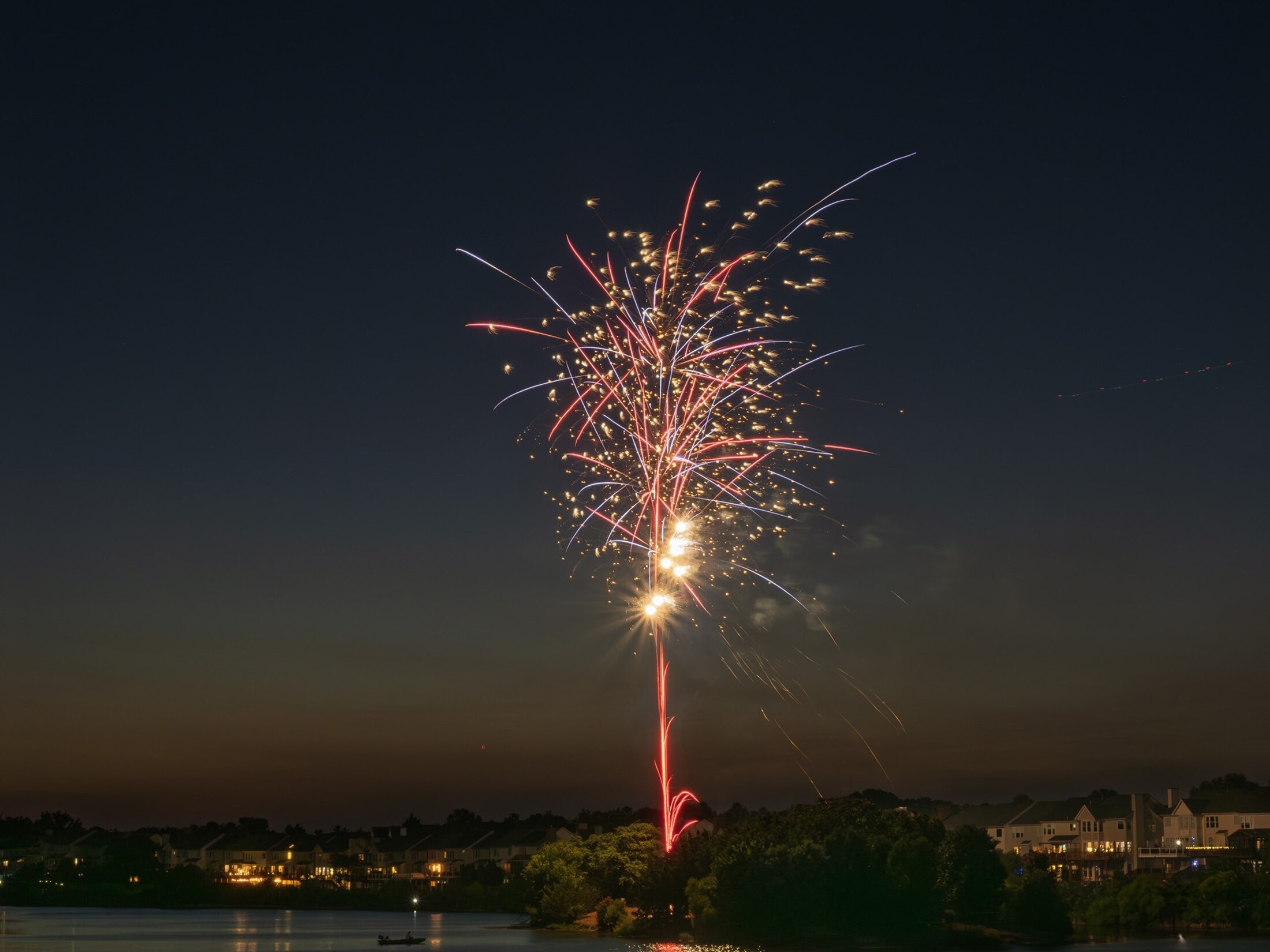
 Photo: Karlsson Photo / Adobe Stock
A sudden change in the night
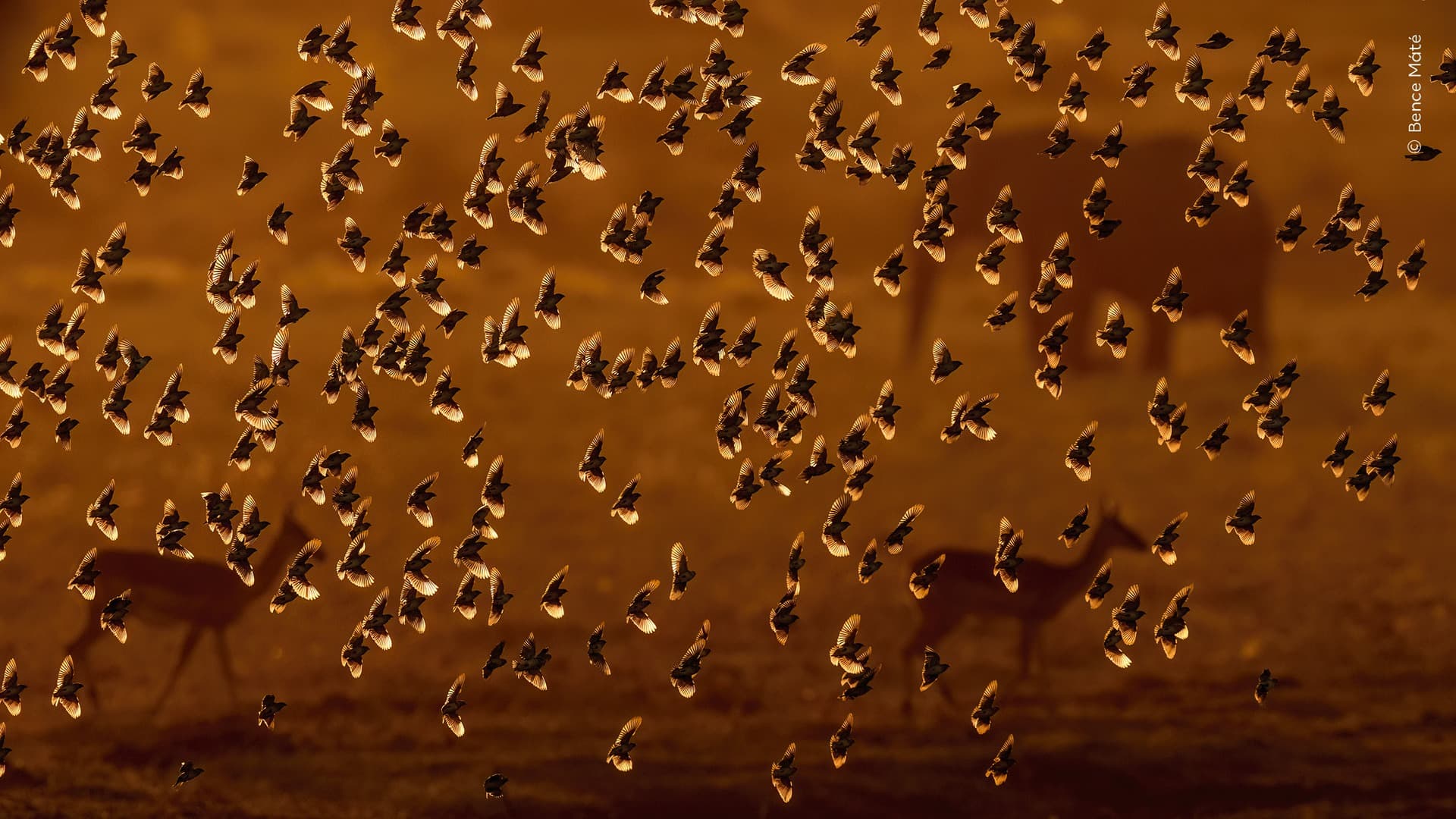
Wild animals do not know that an explosion is part of a planned display. A flash and a bang can interrupt feeding, rest or care of young, triggering an escape response in a place that seemed safe moments earlier. The consequences vary with species, habitat, season and the scale of the event. Seeing birds fly away is evidence of disturbance; it is not, by itself, a count of injuries or proof that every animal exposed will die.
The sky reveals what we miss
Researchers in the Netherlands combined weather radar with bird-distribution records to measure the response to New Year’s Eve fireworks. Near displays, flight activity was on average around 1,000 times that of comparison nights. Even at roughly 10 kilometers, activity remained elevated. Larger birds in open habitats were particularly conspicuous. The study shows how an apparently local celebration can move a much larger community of animals, well beyond the spectators standing beneath it. Read the University of Amsterdam research summary.
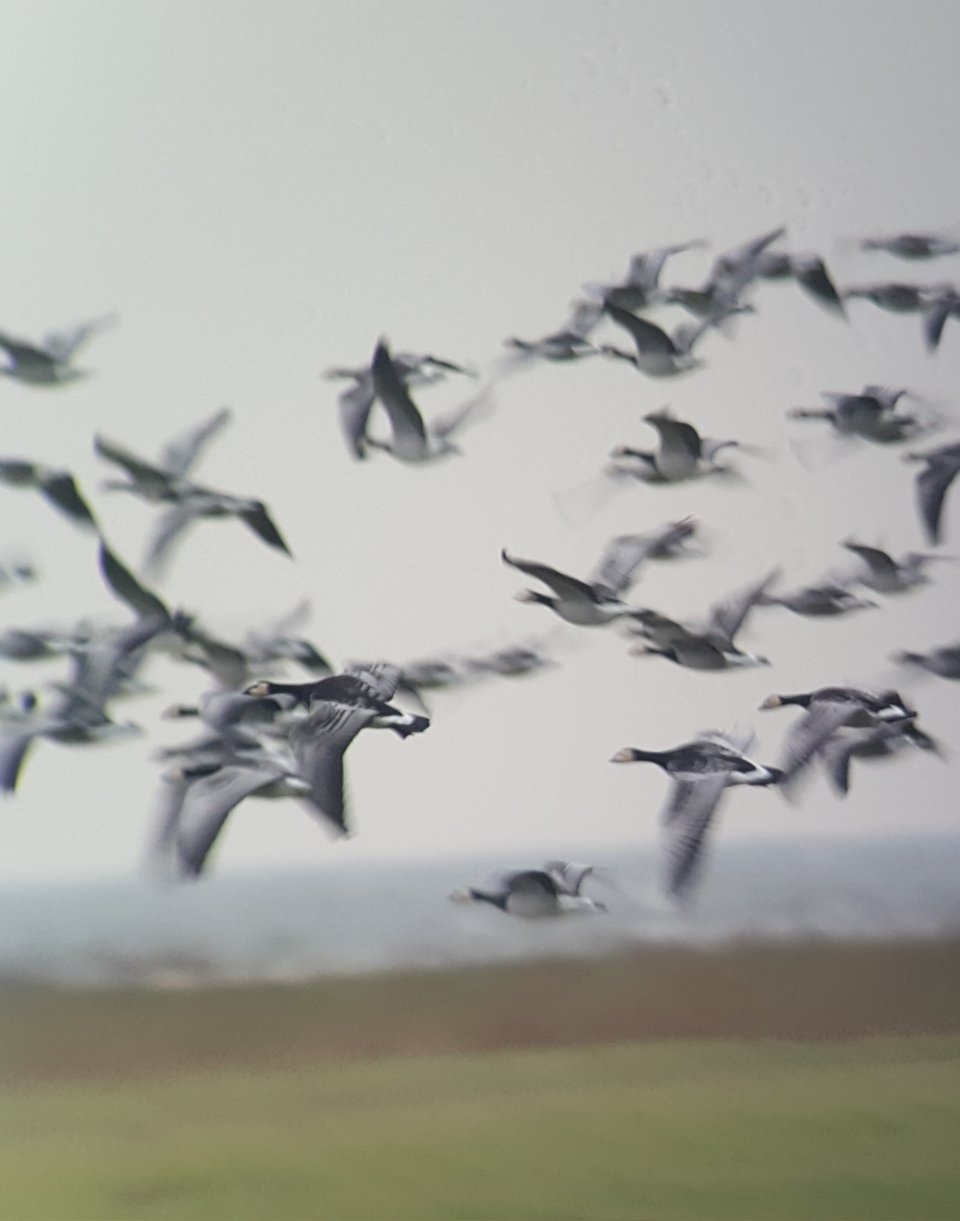 Photo: Nelleke Buitendijk / Max Planck Institute of Animal Behavior
Arctic geese spend the European winter conserving energy. This research photograph illustrates their habitat; it is not a picture of a specific fireworks-related injury.
The disturbance can outlast the display
A separate GPS study followed 347 geese in Germany, Denmark and the Netherlands over several New Year periods. The birds left sleeping sites, flew farther and higher than on ordinary nights, and lost resting time. In the following days they changed their feeding behavior, consistent with replacing energy or adapting to unfamiliar ground. A short display can therefore have an ecological cost that does not end with the final burst. These are measured behavioral aftereffects, not a claim that every displaced bird suffered permanent damage. See the Max Planck Institute’s account.
There is more than one route to harm
Wildlife clinicians describe frightened animals colliding with obstacles, crossing roads or leaving young behind. Debris adds a different risk: strings and plastic can entangle animals, while discarded fragments may be swallowed. Fire in dry vegetation can turn a celebration into a habitat emergency. These pathways help explain why counting only animals found dead immediately after an event would miss much of the problem. They also show why reducing noise alone does not solve every risk.
Bats add another reason to consider the whole setting. The Bat Conservation Trust advises keeping artificial light away from roost entrances, flight routes and important feeding areas. A quieter event should not simply replace explosions with bright lighting directed into a dark habitat. The location and timing matter as much as the technology. Read the Bat Conservation Trust guidance.
A celebration with a smaller footprint
The simplest starting point is to avoid setting off fireworks beside wetlands, nesting areas and known roosts. Community organizers can seek local ecological advice, keep sensitive habitats dark, limit repeated disturbances and consider non-explosive alternatives. A drone or light show still needs appropriate siting; quieter does not mean automatically harmless. After any celebration, careful litter removal reduces a preventable second wave of danger.
If an animal appears injured or disoriented, keep people and pets back and contact a qualified local wildlife rehabilitator rather than chasing or handling it. The aim is not to remove celebration from public life. It is to stop treating the night sky as empty space, and to recognize that the landscape keeps living after the audience goes home. More from the University of Illinois Wildlife Medical Clinic.