Let the city set the pace
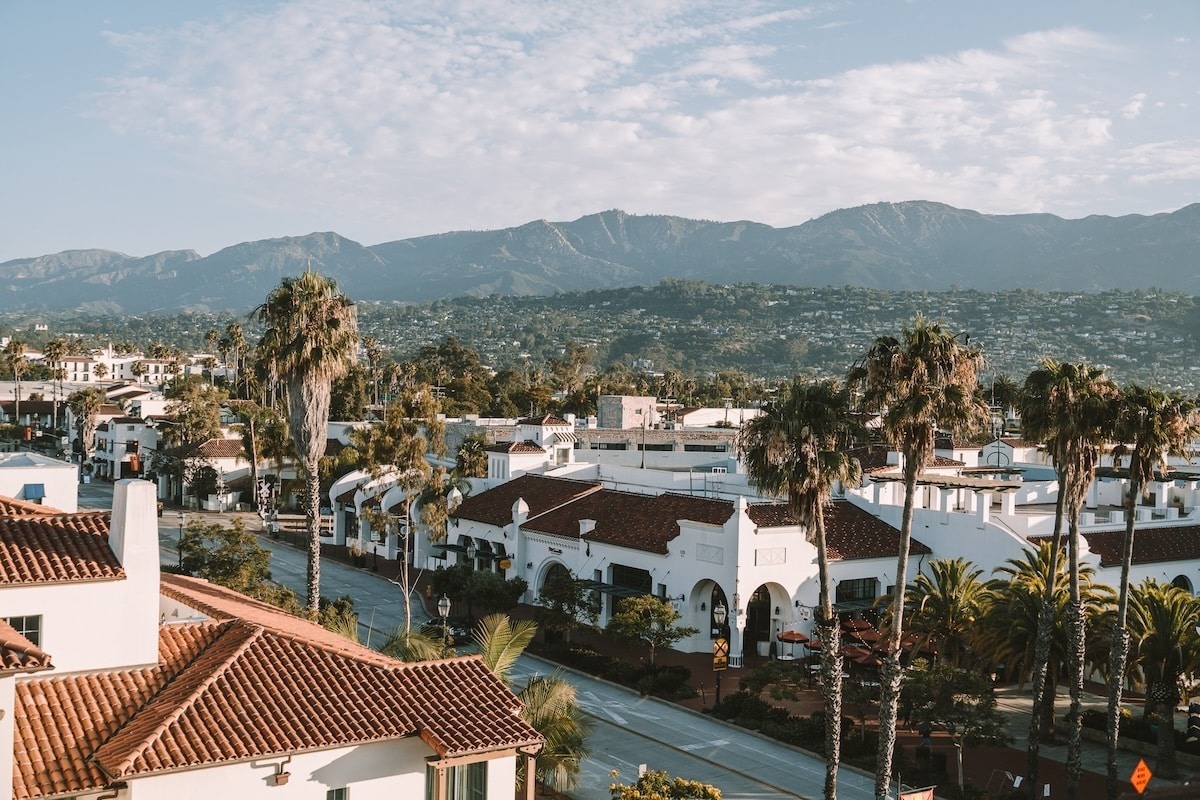 Image: Live Like It’s the Weekend
Santa Barbara is visually persuasive before it asks you to do anything. The red-tiled roofs make a warm middle ground between the blue water and the darker mountains; palms create thin vertical marks across that broad horizontal view. It is tempting to treat the city as a backdrop, but the better approach is to notice how its public spaces connect. A walk can move from a shaded courtyard to a busy storefront, then open suddenly toward the coast.
Rather than promising a definitive list of restaurants or a particular hotel experience, this guide follows that relationship between buildings and landscape. Choose a few anchors, leave time between them, and let the details—not the number of stops—determine whether the day feels complete.
Start with the courthouse, not a checklist
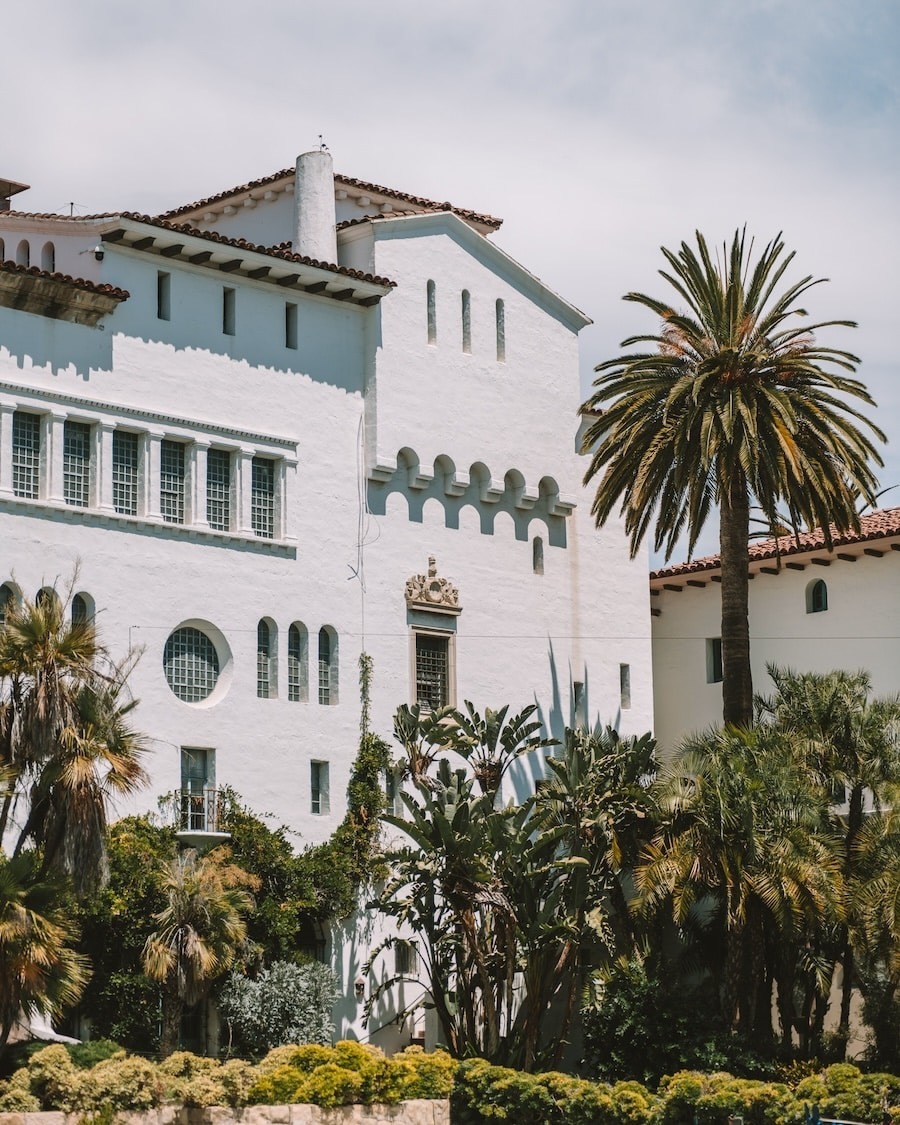 Image: Live Like It’s the Weekend
The Santa Barbara County Courthouse is a working civic building as well as an architectural landmark. Completed in 1929 after the earthquake of 1925, it was designed by William Mooser III in a Spanish-Moorish style. Gardens surround the building, while tilework, arches and the Mural Room reward a slower look than a quick exterior photograph.
The clock tower helps explain the city’s layout: roofs, coast and mountains become parts of the same view. Check the courthouse’s own visitor information for access before arriving. The point is not simply to reach the highest available viewpoint, but to connect the patterns you see from above with the streets you will walk next.
Follow State Street through its smaller spaces
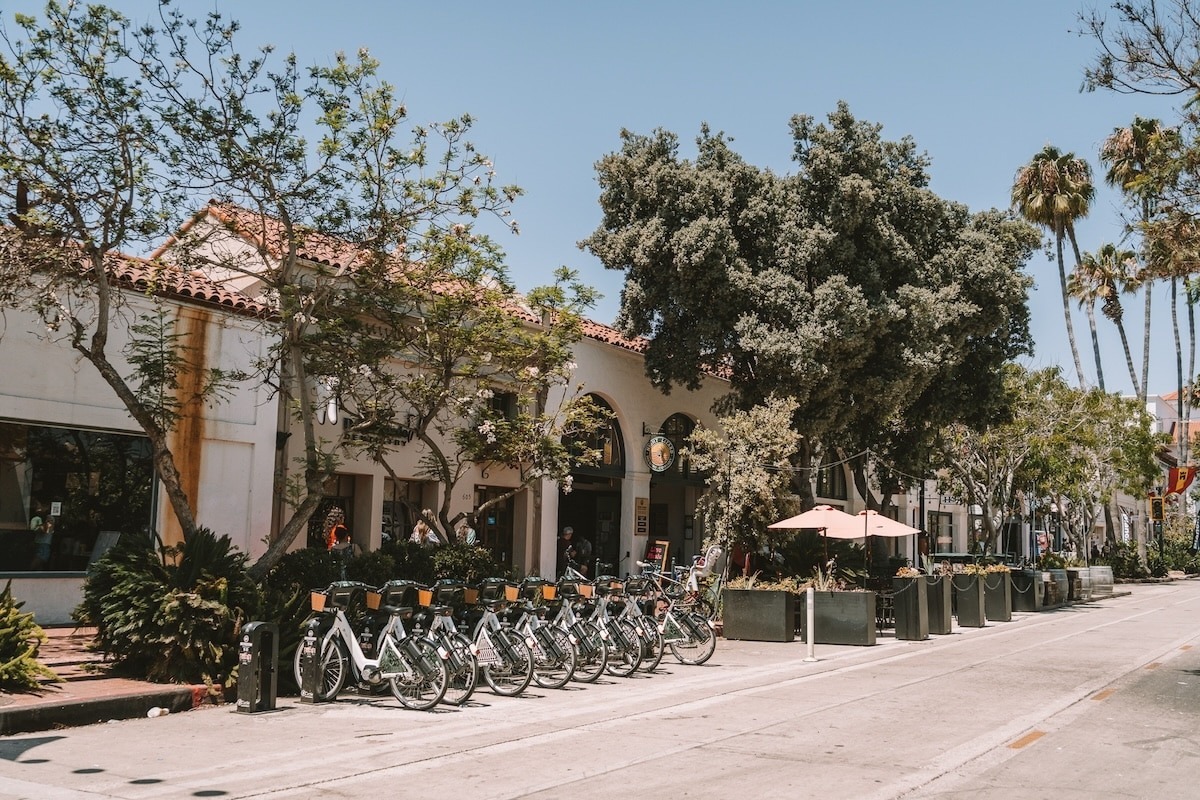 Image: Live Like It’s the Weekend
State Street gives the downtown a useful spine, but the side passages and building edges often offer the most engaging changes of scale. Look for a transition from bright pavement into shade, a tiled threshold, a balcony or a planted courtyard. These details make the familiar Spanish-style palette feel varied rather than repetitive.
The city’s State Street planning site also makes clear that this is an evolving public space, not a permanently fixed pedestrian set piece. Traffic arrangements, outdoor uses and future improvements can change. Walk attentively, follow current signs and make room for the everyday city around the visitor experience.
Give the Funk Zone room to surprise you
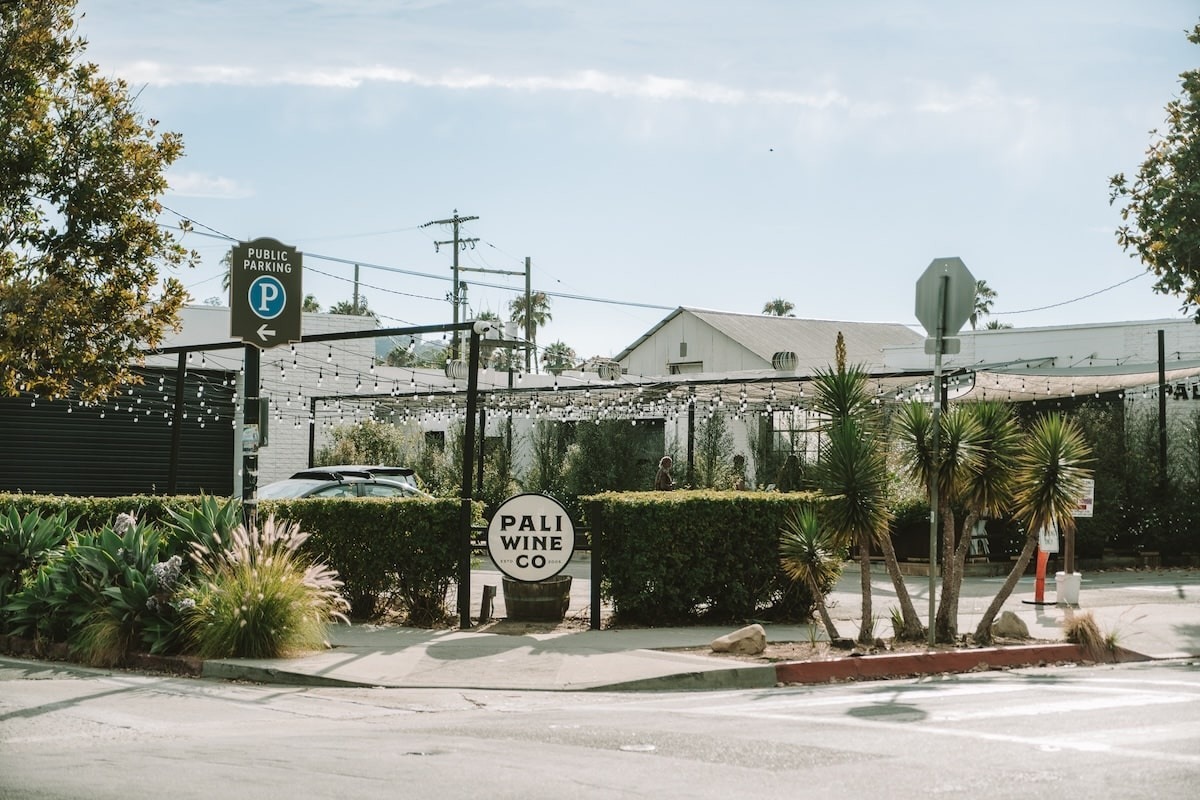 Image: Live Like It’s the Weekend
Near the waterfront, the Funk Zone offers a different architectural rhythm: lower industrial forms, signs, murals and converted spaces. The official destination guide identifies a neighborhood of galleries, independent shops, tasting rooms and places to eat. Those functions sit close together, so the area suits an unhurried wander rather than a long drive between appointments.
A tasting-room doorway or painted wall can be interesting without becoming a purchase. Let the neighborhood retain that flexibility. Stop where the work or atmosphere catches your attention, and check a venue’s own current hours instead of assuming every recommendation from an older travel guide is still available.
Taste the region without leaving the city
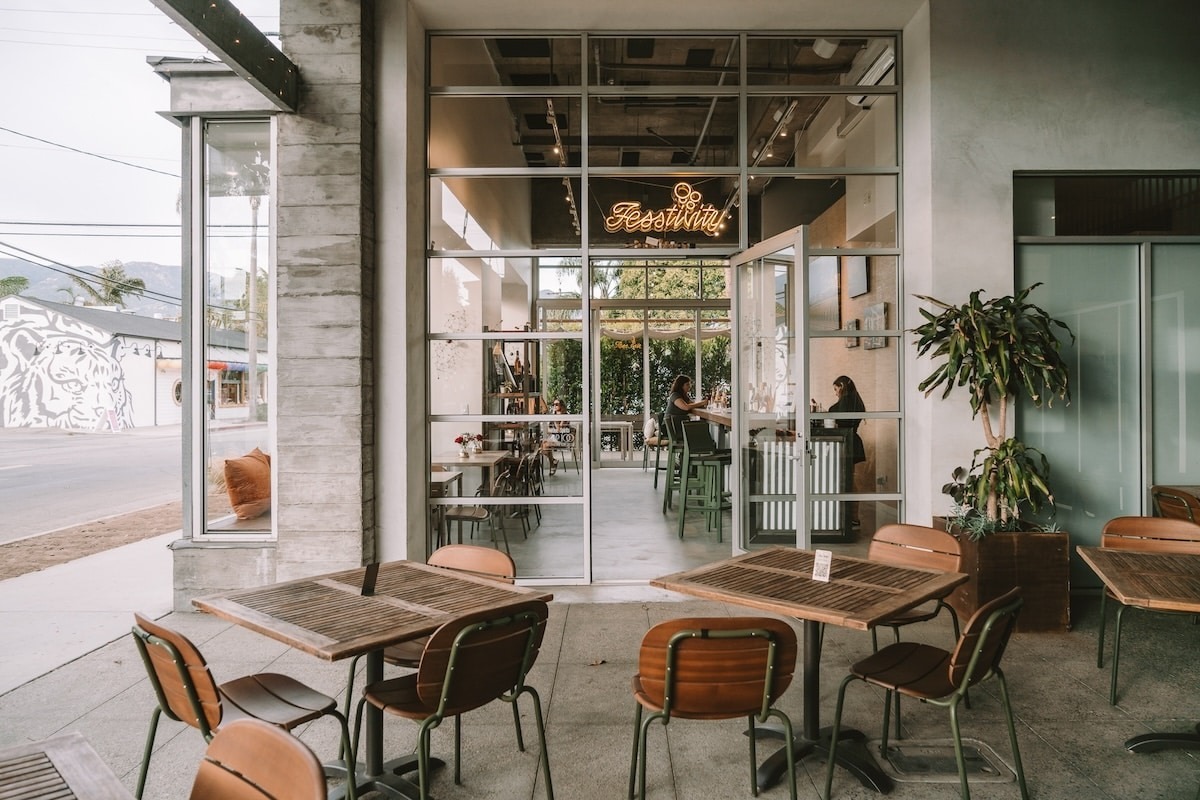 Image: Live Like It’s the Weekend
The Santa Barbara Urban Wine Trail brings regional wine into city neighborhoods rather than asking visitors to drive between vineyards. Its current directory groups tasting rooms across several areas, including the Funk Zone and downtown. That makes it possible to focus on a small part of the trail and still notice meaningful differences in setting and style.
Choose fewer stops and give each enough time. Confirm opening hours and any reservation requirements directly with the tasting room; one venue’s arrangements do not automatically apply to the next. If you drink, plan onward transport in advance rather than building a driving itinerary around tasting.
See the Old Mission with its history in view
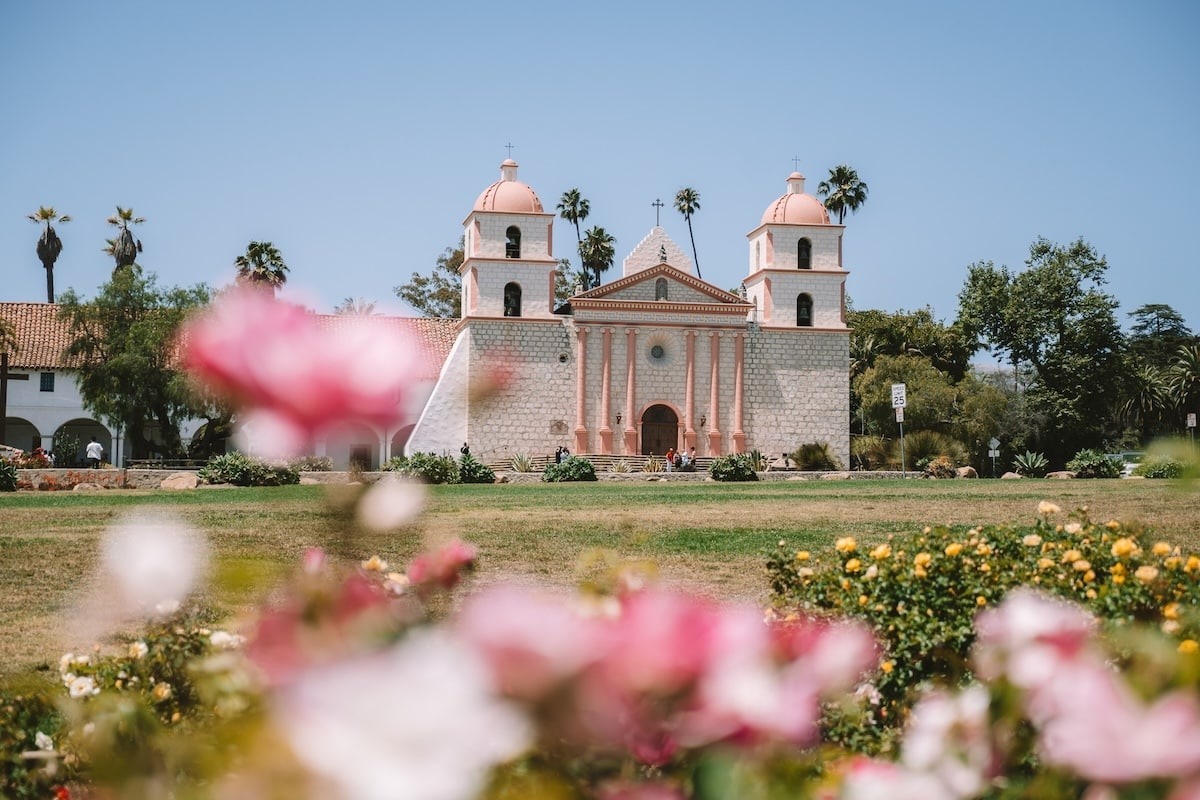 Image: Live Like It’s the Weekend
The twin-towered facade of Old Mission Santa Barbara supplies one of the city’s most recognizable images. Founded in 1786, the mission remains a religious and historic site, not simply an architectural object. Its pale walls and rose-colored details read especially clearly against the surrounding greenery.
Allow time for interpretation as well as photographs. The mission belongs to the history of Spanish colonization and the Chumash communities whose lives were transformed by that system. Looking carefully means holding those histories alongside the beauty of the building, rather than allowing an attractive facade to stand in for the whole story.
Find another layer at El Presidio
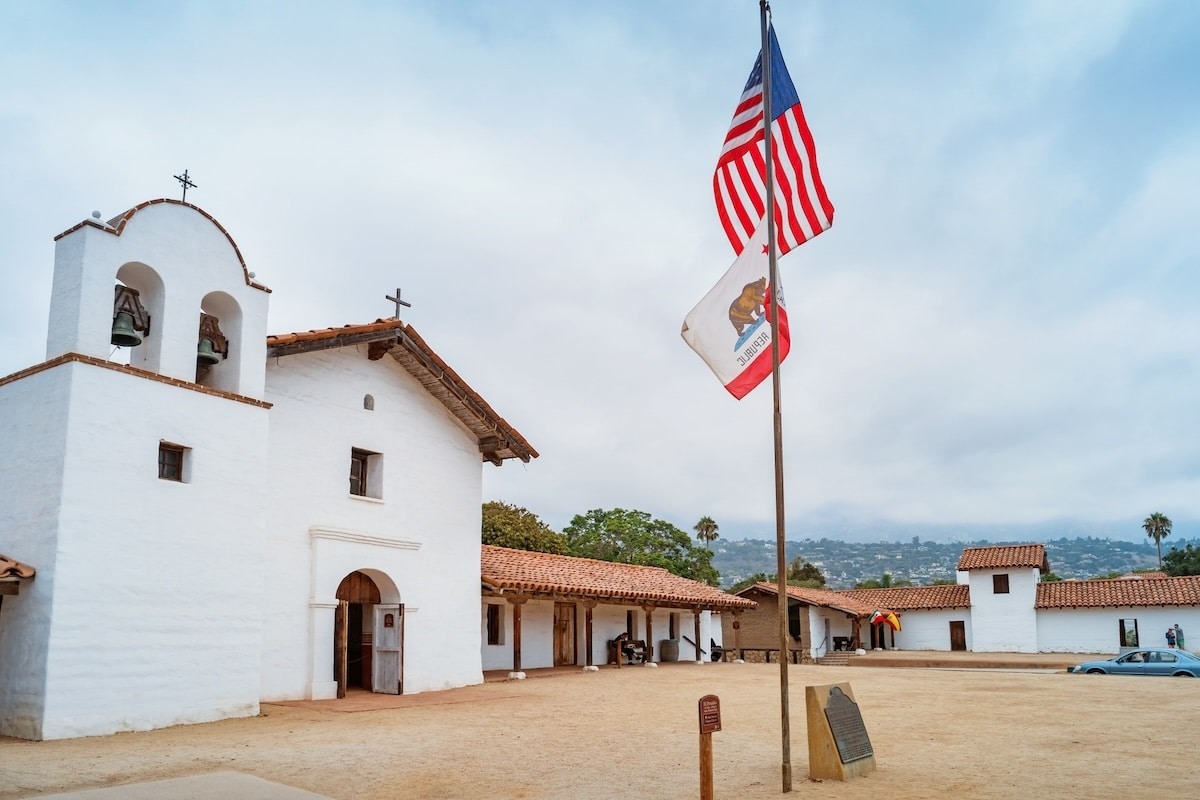 Image: Live Like It’s the Weekend
Downtown, El Presidio de Santa Bárbara State Historic Park preserves the site of the Spanish fortress established in 1782. The Santa Barbara Trust for Historic Preservation distinguishes surviving original adobes from reconstructed portions of the complex—an important reminder that historic places are also shaped by later decisions about what to preserve and explain.
The low walls and courtyards offer a very different spatial experience from the courthouse. Visit for that contrast, but also for the site’s wider interpretation, which includes the neighborhood’s Japanese American history. Santa Barbara becomes more interesting when its different eras remain visible together.
Leave the last stretch of the day to the waterfront
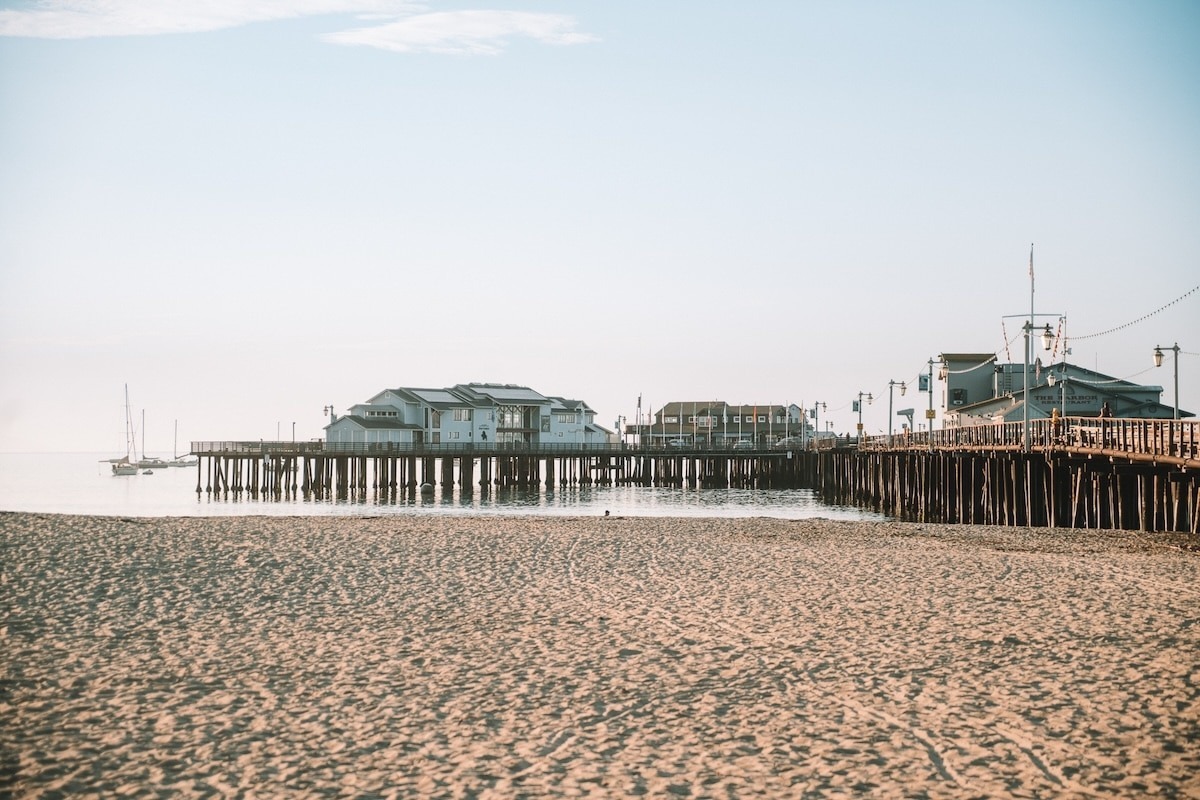 Image: Live Like It’s the Weekend
Along the sand, the city’s architecture gives way to a much simpler set of lines: beach, water and the long structure of Stearns Wharf. Walking out changes the view back toward Santa Barbara. The waterfront feels less like the edge of the city than another way to understand it.
Keep the end of the day unscheduled if you can. For an alternative to driving into town, the Pacific Surfliner’s Santa Barbara station information places the station near downtown and the waterfront. Service disruptions and timetables can change, so check the operator’s live advisories before treating a train connection as part of a fixed plan.