Everything You Need to Know About "Love"
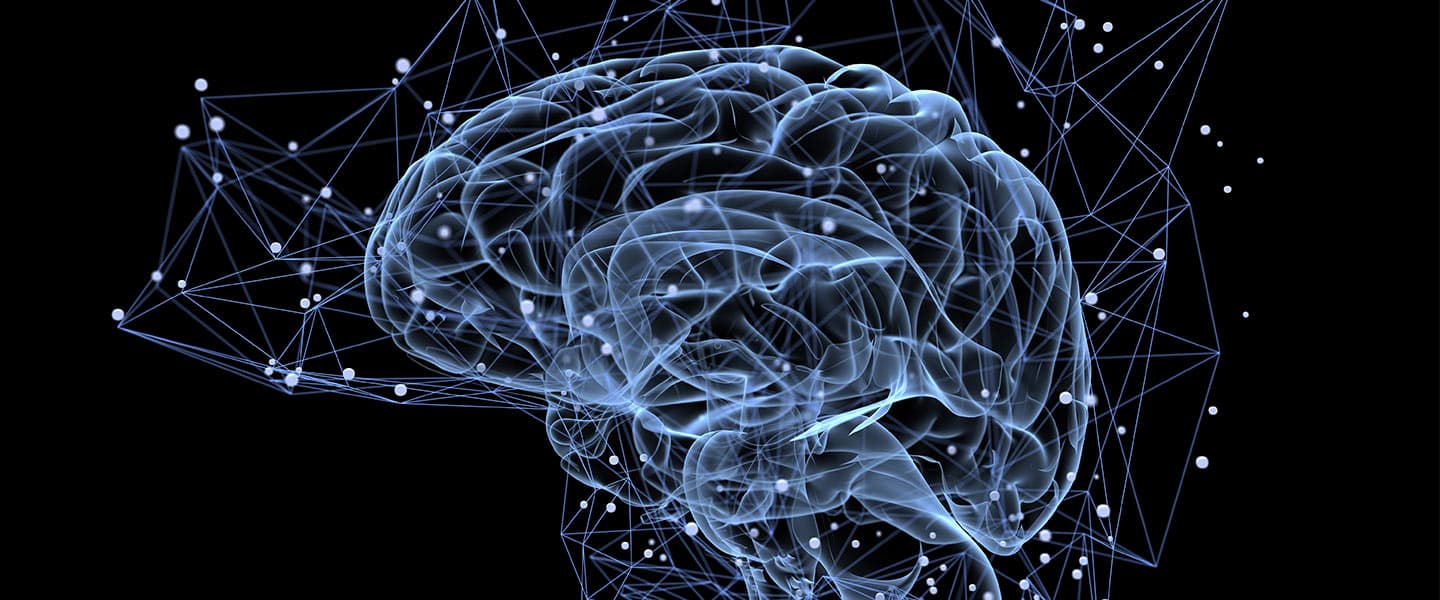
Magic Neuroscience Basics of Love
The neuroscientific foundations of love provide very clear data about what we feel and why. First of all, let us remember that all emotions like love are a feeling felt in the sum of the reactions that occur in our body as a result of a completely hormonal process. So if we want to understand love, we need to understand the neurochemical foundations behind it.
From a scientific point of view, nerve growth factor, testosterone, estrogen, dopamine, norepinephrine (noradrenaline), serotonin, oxytocin and finally vasopressin are the main hormones and chemicals that cause love. As it can be seen, love causes us to feel muddled because it is based on a highly complex hormonal balance.
Now, based on our explanations about evolutionary biology, let's take a look at what changes in our bodies create when we meet an individual (biological or cultural) that we consider appropriate.
Testosterone: An effective sex hormone, especially in the immediate vicinity of the first love. It causes you to feel lust and desire for the sex you are interested in, and to desire this gender. Females are present in small amounts and have these tasks; however, it allows the preparation of the penis and the testes to a possible sexual intercourse in the first stages of love. Causes the penis to erect.
Estrogen: It is an effective sex hormone especially in and near the first love. It causes you to feel lust and desire for the sex you are interested in, and to desire this gender. There are few in men and these tasks are; however, it also allows the female to prepare the vagina and the fetus for a possible sexual mating. It can cause the vagina to get wet against the person of interest.
Nerve Growth Factor: This chemical, which is relatively new among the hormones of love, is rapidly increasing especially when we are first in love, gradually decreasing after 1 year and returning to its former state. Scientists, therefore, think that their real life is about 1-2 years. This is essentially logical; for human beings to remain attached to a single individual is an obstacle to evolutionary diversity. The cultural structure of man, however, has led him to a monolithic social life; for this reason, even if there is no sense of love like the first, couples can stay together for decades because of their social responsibilities as well as their loyalty and love / respect relations. However, it is necessary to repeat that both human beings and their close relatives are genetically polygamous species, even if they are socially monogamous.
Dopamine: A neurotransmitter, dopamine, induces feelings of happiness and peace in the body when it is secreted. It adds additional energy and attention to the individual. In this way, the focus is placed on the individual who is in love and the additional energy and attention needed to reach him can be provided. This supports the evolutionist arguments. And the reason we like falling in love is these beautiful emotions. It has the same effect as the effect of various drugs and sedatives.
Noradrenaline: A hormone that is secreted against stress when we are in love. Stress can be caused by any environmental pressure on the individual, and love is just one of these pressures. However, due to the release of noradrenaline, heart rate increases, lips and mouth dries, blood increases to muscles, stomach and intestinal muscles relax. This can also be seen as a preparation stage for a possible mating. But more importantly, love has always been the main reason for the misinterpretation of the heart. Because of Noradrenaline, when we fall in love, we feel that our heart is accelerating and the muscles in our stomach relax, "we are in love with the heart" and "butterflies fly in our belly". This is scientifically nonsense. The only organ that falls in love is the brain.
Serotonin: Serotonin, the main hormone of happiness, is among the basic hormones of love. However, what makes serotonin special in terms of love is that there is an explanation of the problem of the activity of this hormone in obsessive-compulsive behavior disorder, in other words, "obsessed" people: It is the fluctuation in serotonin levels when we fall in love, the reason we can not think of anyone other than a single person. In short, when we fall in love, we become obsessive-obsessive-compulsive behavior disorder. This is also a hormonal arrangement that provides an evolutionary advantage to achieve the desired goal.
We wish all of you to live your life with love by keeping it in a corner of your mind.
You may also like
 CARSNew15 photos
Porsche Unseen: Design Studies That Never Reached the Road
Discover fifteen Porsche Unseen design studies, from unexpected sports cars to electric experiments and a family shuttle that never reached production.
 TRAVELNew40 photos
The World’s 40 Best Beaches
Explore 40 remarkable beaches around the world, from Seychelles coves to Caribbean shallows and Australian shores, in a visual countdown of coastal escapes.
 TRAVEL10 photos
Top 10 Clearest Lakes in the World
Discover ten strikingly clear lakes around the world, from Japan's Lake Mashū to Torch Lake and China's Five-Flower Lake, through a scenic travel gallery.
 TRAVELNew11 photos
North America’s 11 Best Beaches
Discover eleven distinctive North American beaches, from Anguilla and Mexico to Florida, with island landscapes, sheltered bays and broad stretches of sand.
 FASHION20 photos
Bella Hadid in Gorgeous Photoshoots
Explore twenty Bella Hadid photographs, bringing together fashion shoots and portraits that highlight the model's varied styling and presence before a camera.
 STREET ART21 photos
Banksy Best Artworks
Explore Banksy artworks, tracing the street artist's visual humor, political messages and ability to turn public spaces into pointed observations.