Ten Chairs That Changed the Shape of Everyday Life
A chair is a small object with a surprisingly large design history. From bentwood café seating to mesh office chairs, these ten designs show how changes in materials, production and the way we live can reshape the simple act of sitting.
Thonet No. 14 | Michael Thonet, 1859
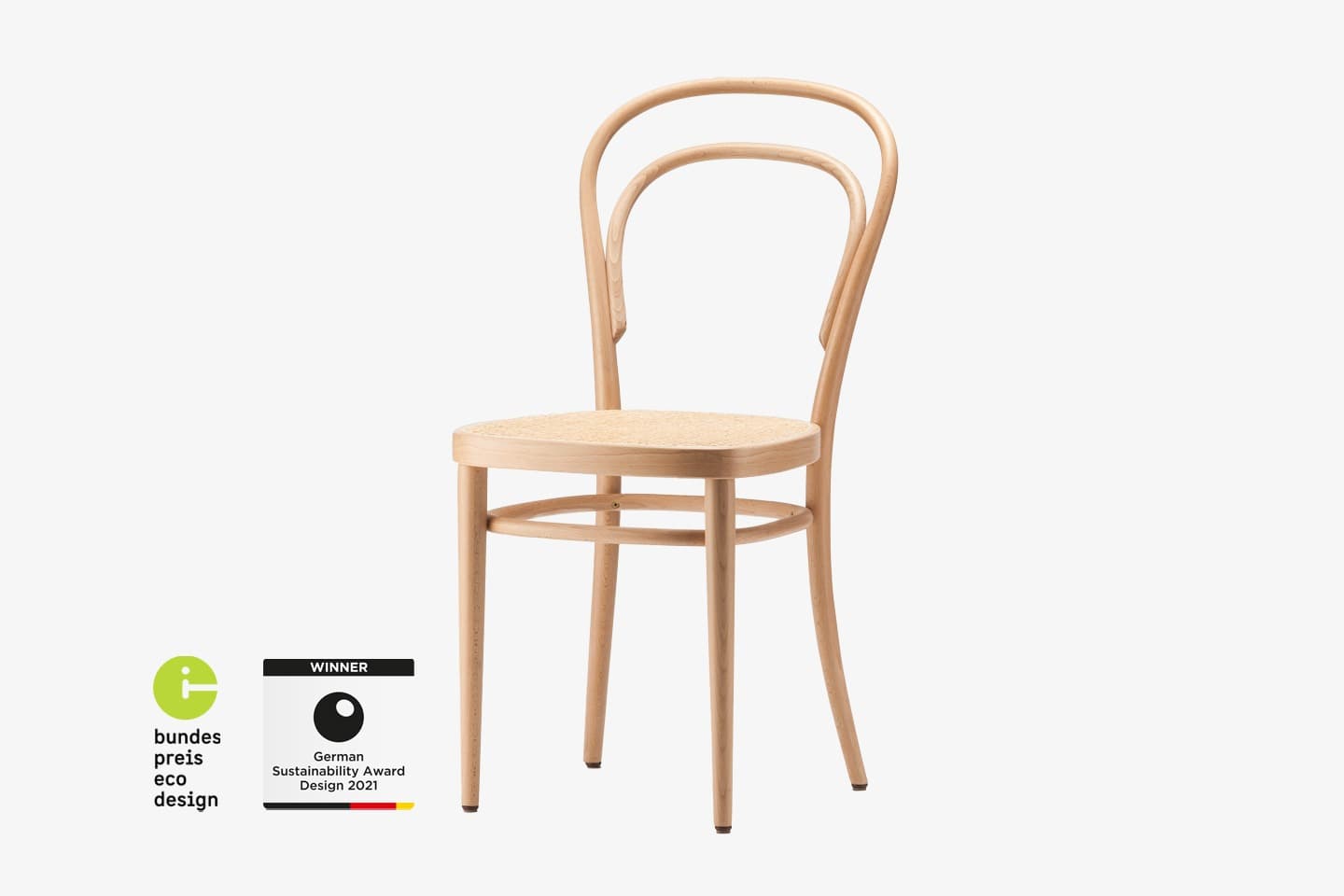
A café chair became an industrial idea. Michael Thonet's No. 14, now produced by Thonet as the 214, reduced a chair to a small family of bentwood components rather than a heavy carved frame. Its open back, circular seat and slender legs made it visually light; its disassembled parts also made it unusually economical to transport. The breakthrough was not simply a recognisable silhouette, but a repeatable way to manufacture, ship and assemble everyday furniture.
You may also like
 PEOPLE55 photos
Top 55 Most Beautiful Women in The World
Explore an editorial selection of 55 women from film, fashion and entertainment, including Monica Bellucci, Angelina Jolie, Charlize Theron and Miranda Kerr.
 TRAVELNew40 photos
The World’s 40 Best Beaches
Explore 40 remarkable beaches around the world, from Seychelles coves to Caribbean shallows and Australian shores, in a visual countdown of coastal escapes.
 TRAVEL30 photos
30 Most Beautiful Places in the World
Explore thirty travel destinations around the world, from Madagascar and Vienna to unexpected city stops, in a gallery of varied landscapes and local character.
 FASHIONNew14 photos
Hailey Bieber Keeps Turning Up the Heat in Her Vacation Bikinis
Browse Hailey Bieber's vacation swimwear, from playful pink and yellow bikinis to simple black styles, finished with scarves, sunglasses and sun hats.
 FOOD & DRINKNew10 photos
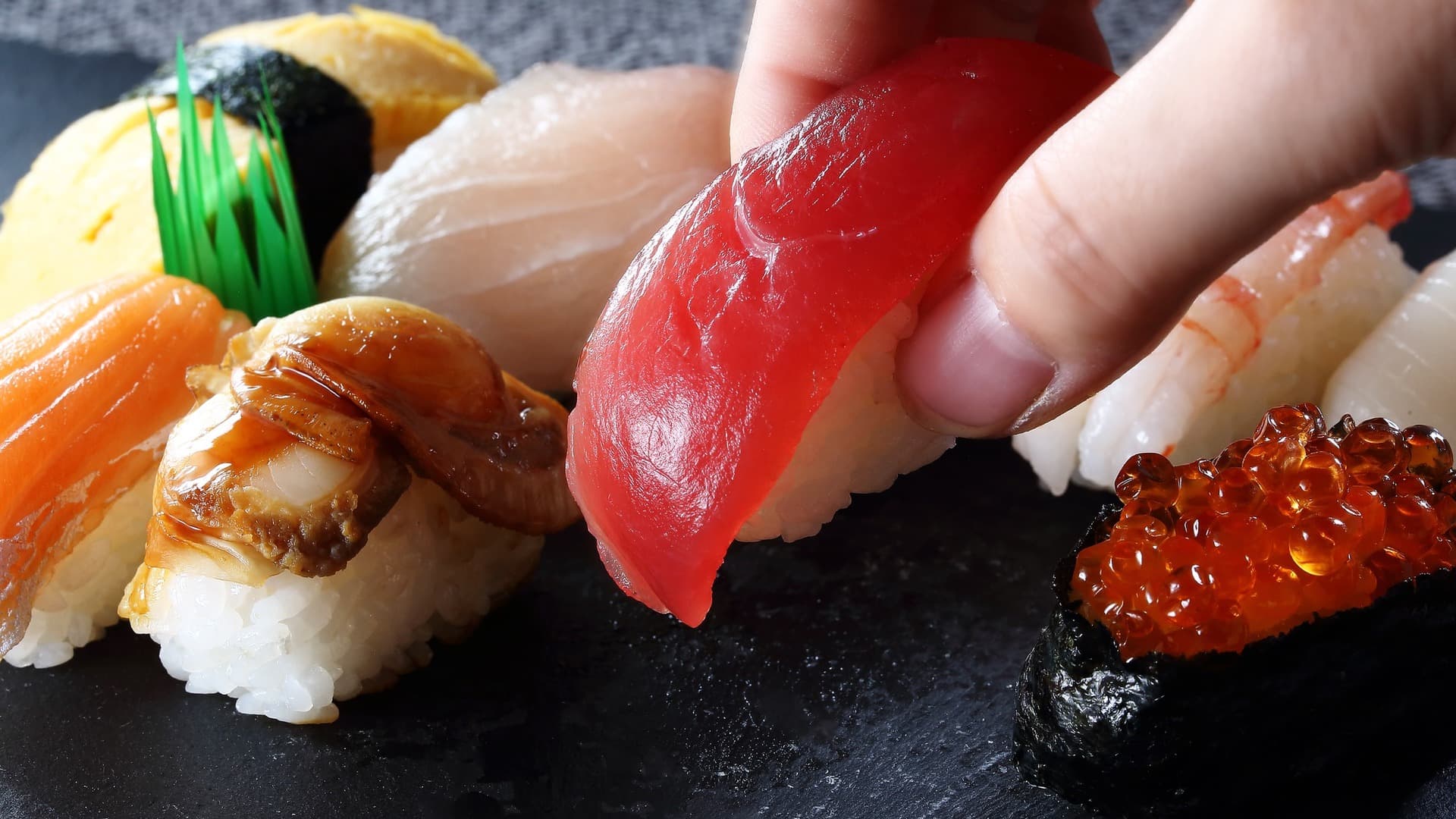
Ten Ways to Taste Japan, from Sushi Counters to Tea Rooms
Explore ten Japanese dishes and drinks, from sushi and noodles to railway lunches and tea, through the craft and everyday rituals behind each serving.
 ANIMALSNew8 photos
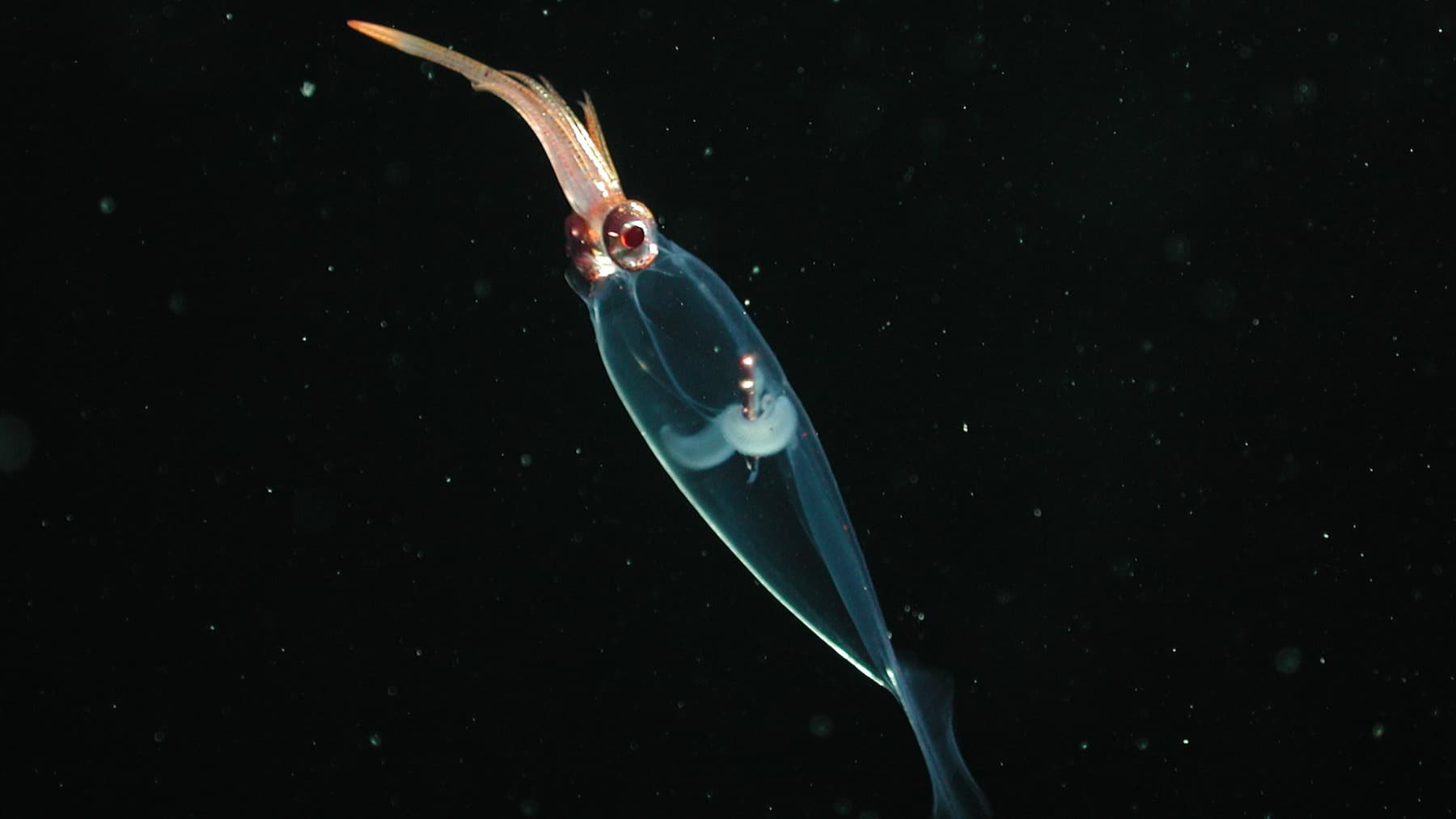
Almost Invisible: Transparent Animals of the Deep Sea
Meet eight transparent deep-sea animals and discover how delicate structures, selective color and near-invisible bodies help life survive in open water.