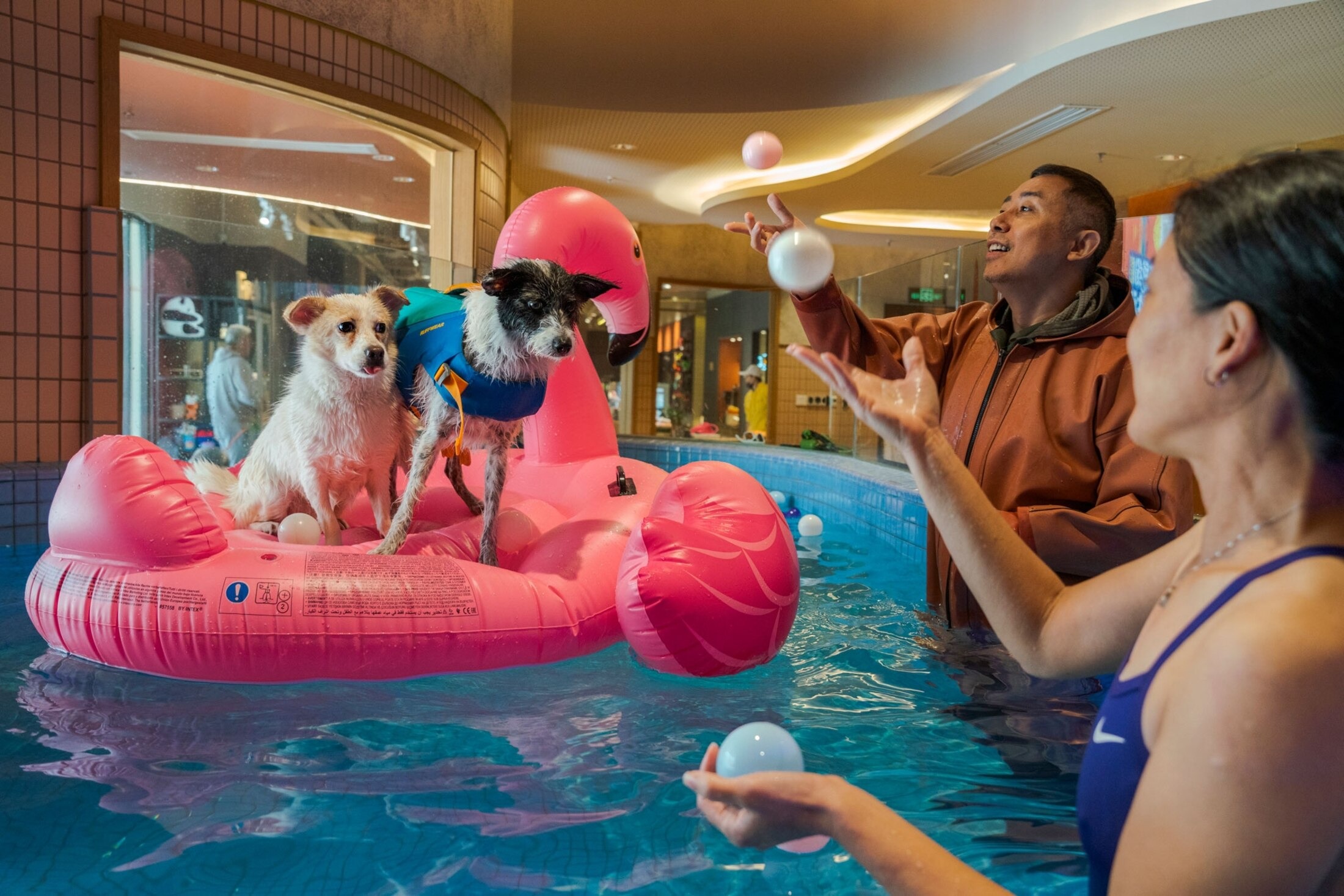
 Photo: Justin Jin / National Geographic Image Collection
Start with the dog in front of you
A senior giant-breed dog and a young terrier do not need the same plan. Veterinary life-stage guidance considers age, size, breed, temperament and existing disease rather than treating a birthday as a complete description of health. Regular appointments create a record of weight, mobility, mouth health and behavior, making gradual changes easier to notice. The useful question is not simply how old a dog is, but what would make its current life safer and more comfortable.
Choose movement that can become a habit
Walks, play and other suitable activities give dogs opportunities to move and explore, but exercise should match their capabilities. Research involving 11,574 older companion dogs found an association between greater physical activity and better owner-reported cognitive outcomes. The study was observational: it could not prove that exercise prevented dementia, and healthier dogs might also be more able to exercise. That distinction matters. Movement is not a guarantee of extra years, and sudden ambitious outings are not a substitute for an appropriate regular routine. Read the Dog Aging Project study.
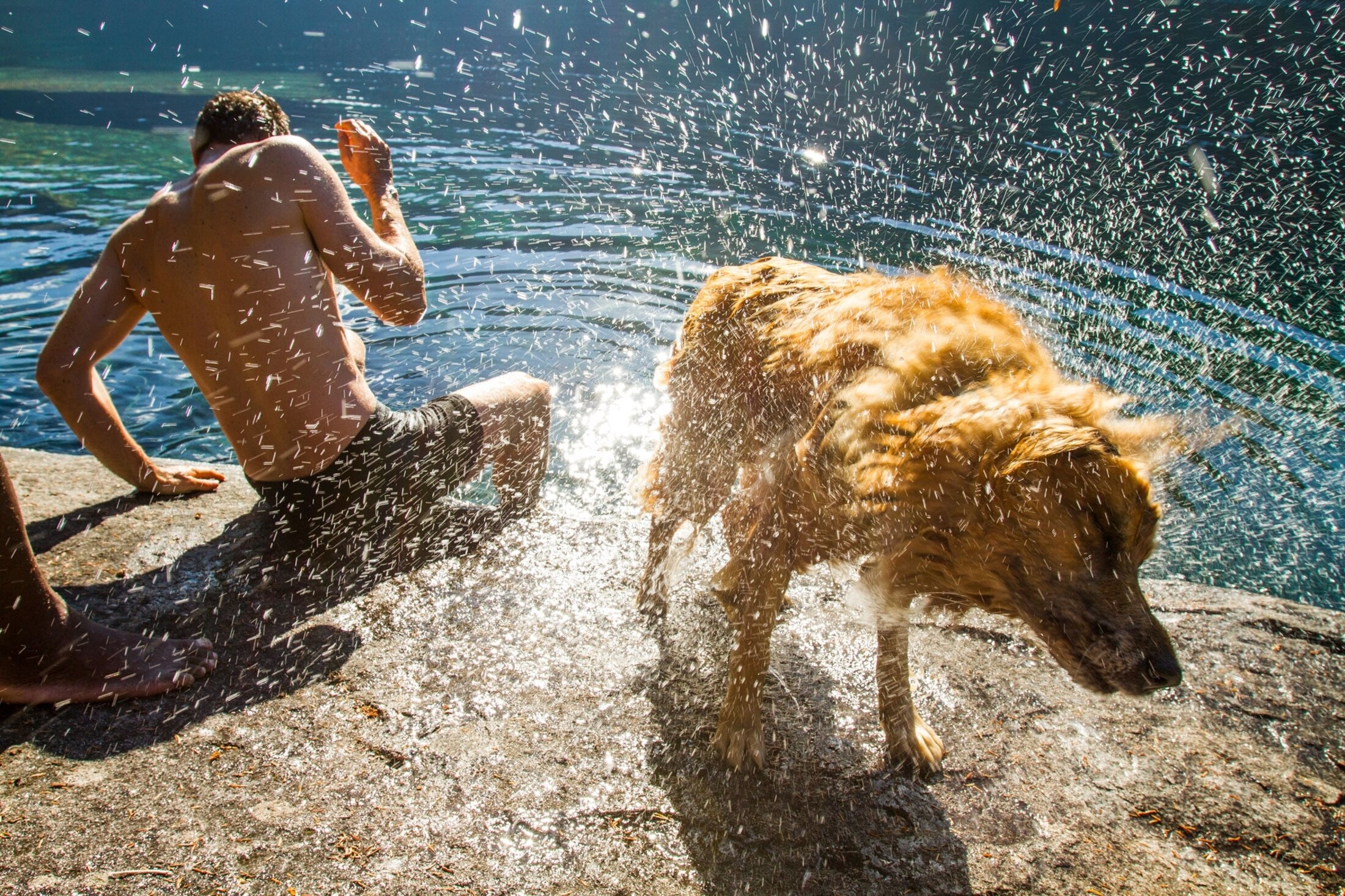 Photo: Mark Stone / National Geographic Image Collection
Companionship and enjoyable activity are part of a dog’s daily environment. Observational studies can identify associations with health, but do not show that a particular outing adds years of life.
Make room for a richer everyday life
A separate Dog Aging Project analysis used surveys from 21,410 dogs to explore the social environments in which they lived. Social companionship was associated with health measures, but the data did not establish that acquiring another pet would cause better health or longer survival. A useful interpretation is more modest: a dog’s environment deserves attention, not just its food bowl. Consider enjoyable time together, sniffing opportunities, reward-based games and social contact the individual dog actually finds comfortable. A crowded dog park is not enrichment for an animal that is frightened there. See the social-environment research.
Feed for condition, not for a marketing promise
Nutrition guidance emphasizes regular assessment of body condition and muscle condition, with food and amounts adjusted to the animal’s life stage and medical needs. An attractive package or fashionable ingredient is not a personalized nutrition plan. Ask the veterinary team to consider the complete diet, including treats and table scraps, and to show you how to monitor change. A dog losing muscle while gaining fat may need a different response from one whose weight is stable and condition remains appropriate. Read the AAHA nutrition guidance.
Do not overlook the mouth—or subtle changes
Dental care belongs in preventive care, not only in the response to visibly painful teeth. Veterinary guidance recommends assessing the mouth and discussing appropriate home care, with professional treatment when indicated. Bring up changes in eating, breath, movement, sleep or interaction rather than assuming they are simply old age. Some changes may be manageable, and noticing them is the first step toward an informed assessment. The goal is better welfare now, not just a larger number at the next birthday.
Keep decisions individual
Vaccination, parasite prevention and reproductive-health decisions also depend on the dog and its circumstances. Spaying or neutering is not a one-size-fits-all longevity shortcut; timing and trade-offs belong in a conversation with the veterinary team. The same caution applies to supplements and products promising to slow aging. Do not start a drug, supplement or restrictive diet simply because it appears in a longevity story. AAHA’s life-stage checklists outline the topics to discuss.
A good plan should be practical enough to keep using and flexible enough to change. That may mean shorter comfortable walks, better traction on a slippery floor, time for familiar games or an adjustment to feeding. Science can guide those choices without pretending to predict an individual lifespan. This is general information, not a substitute for advice from the veterinarian who knows your dog.