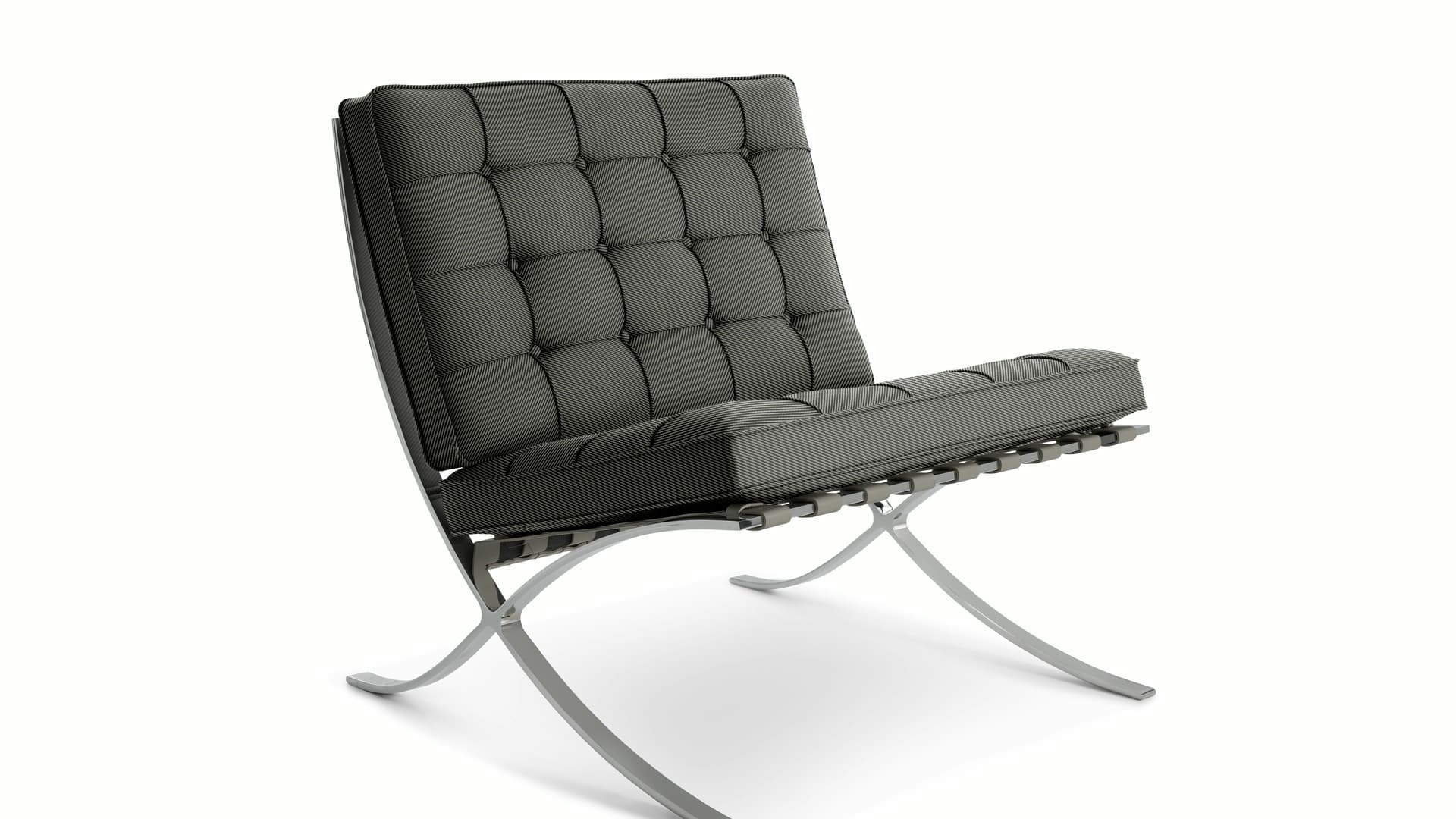
Eileen Gray | Adjustable Table E1027
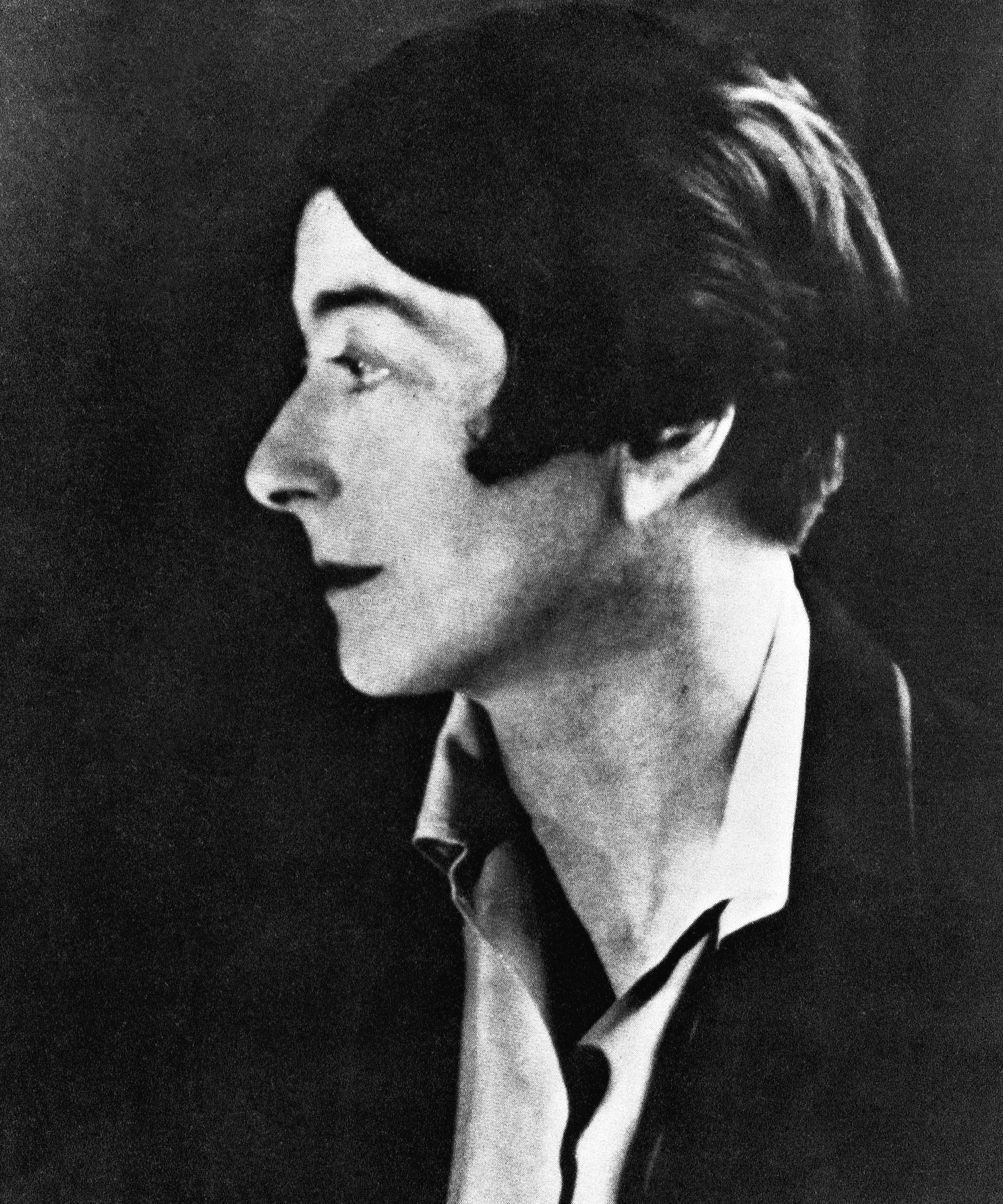
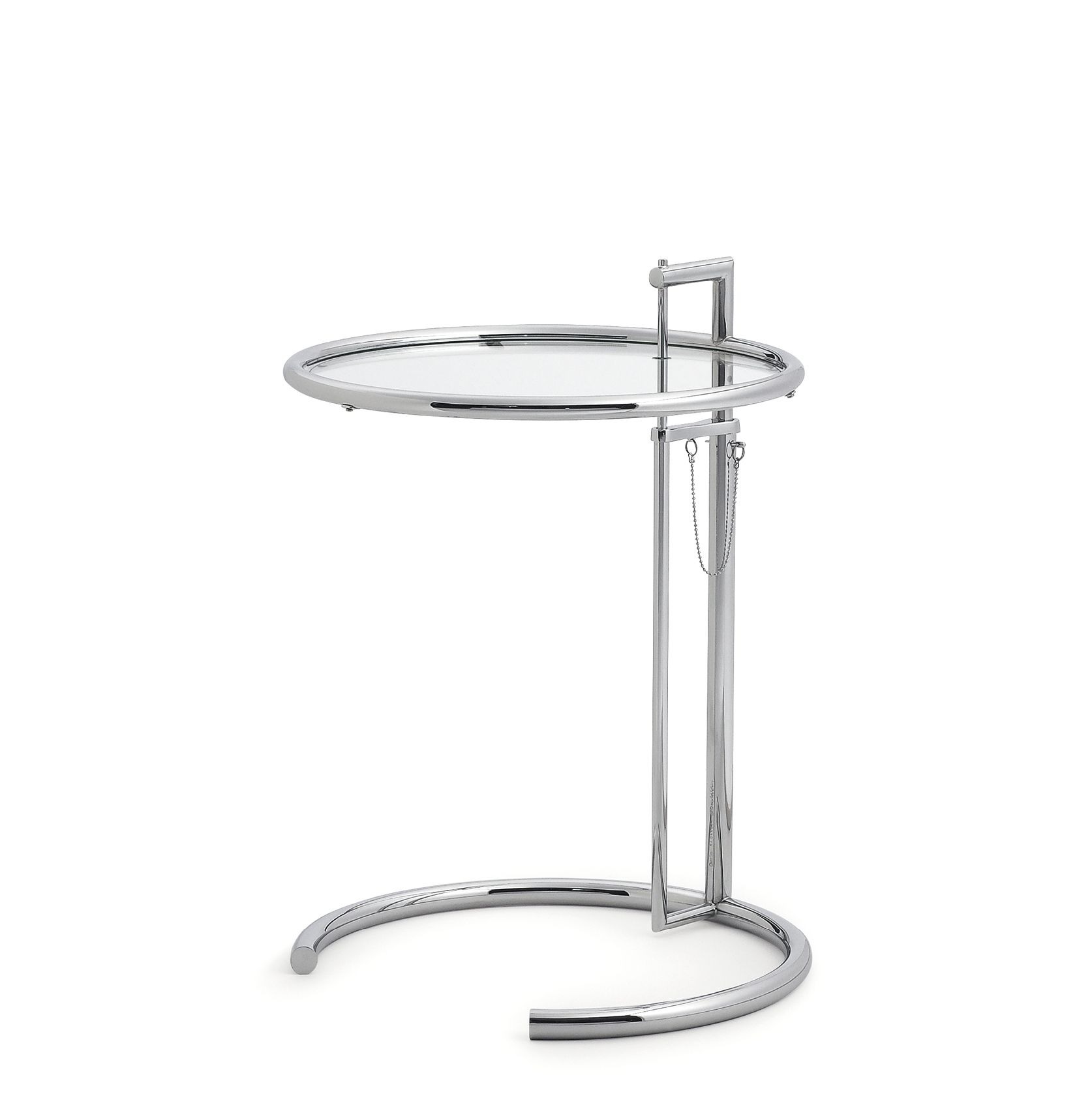
A circular glass top and a thin steel frame make the Adjustable Table E1027 look almost like a diagram. Its height-adjustment mechanism gives that clarity a practical purpose: the table can adapt to the person and the setting rather than demanding a single fixed arrangement. Gray’s 1927 design belongs to a practice that moved between furniture, interiors and architecture. ClassiCon’s licensed production piece keeps that adaptable idea in contemporary homes. It makes an argument for modern design at the most intimate scale: something moved close to a chair, a bed or a hand.
Charlotte Perriand | Tabouret Berger
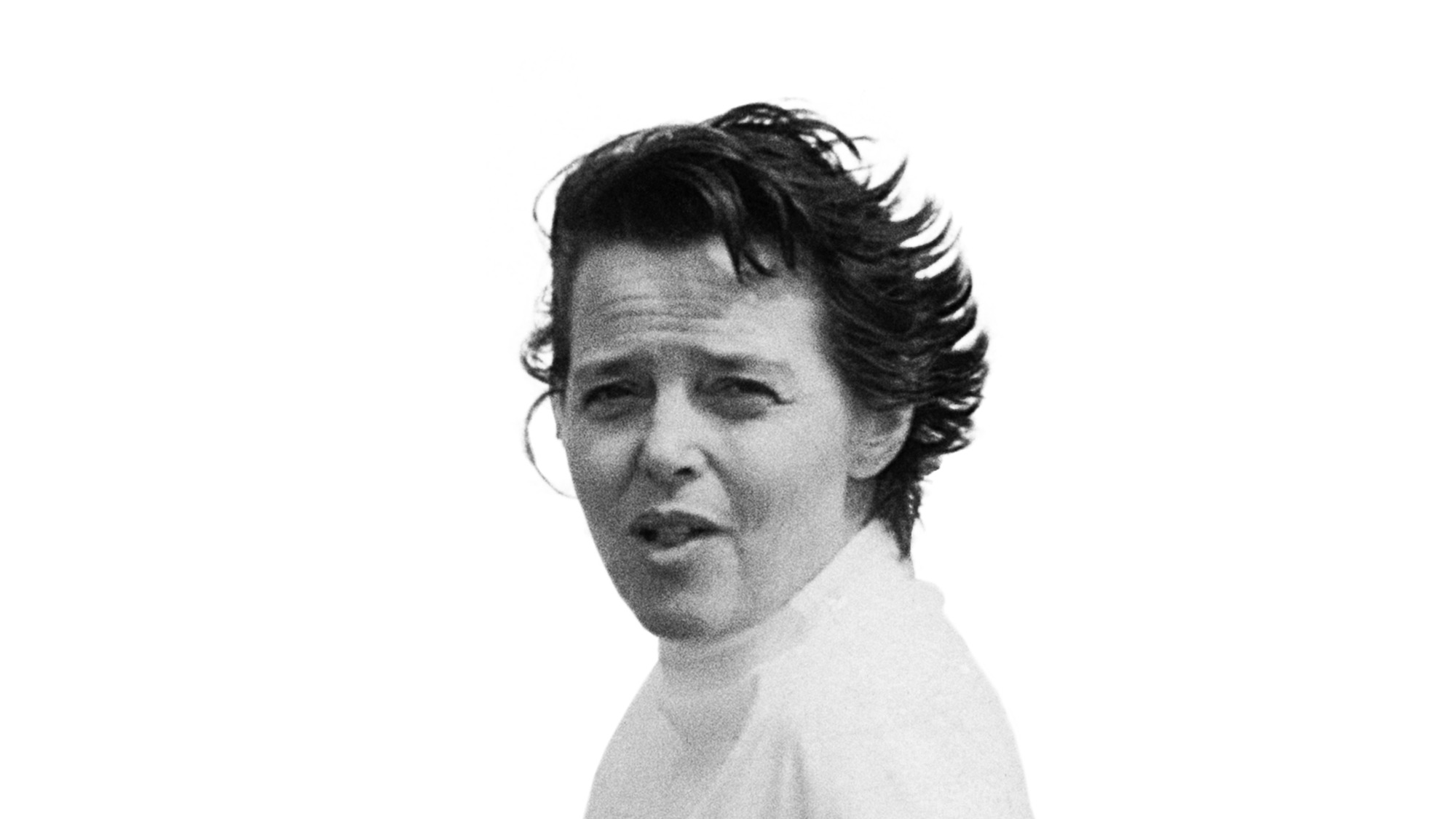
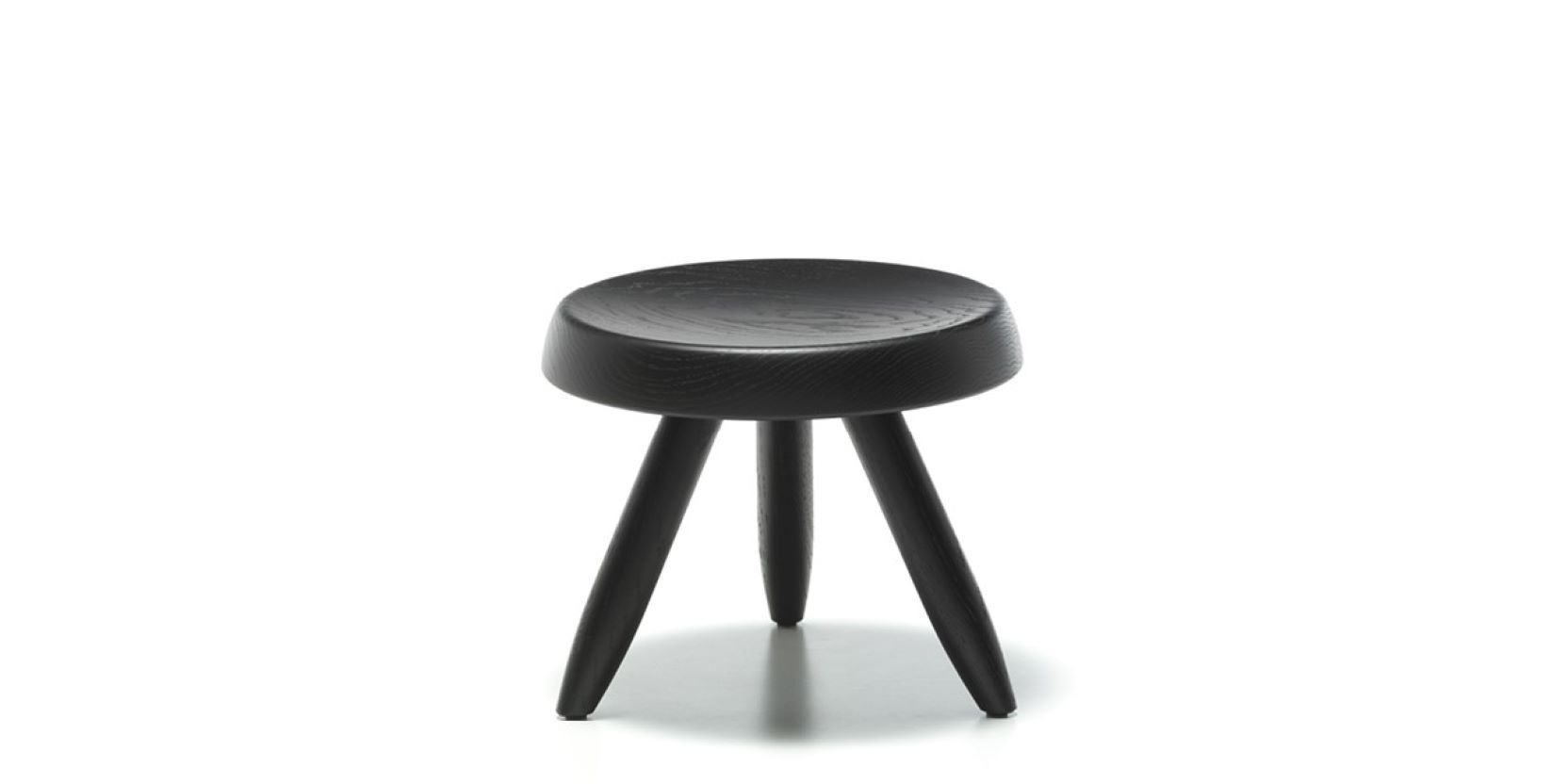
Modern furniture did not have to begin with a complicated industrial mechanism. Perriand’s Tabouret Berger, designed in 1953, takes its cue from the modest milking stools of Alpine shepherds. A round seat and three legs are enough to create an object with a clear purpose and a strong physical presence. Set beside her portrait, it broadens the familiar image of a designer often associated with tubular-steel collaborations. Its low proportions give it a different presence from the related, taller Méribel stool. The current Cassina piece carries a mountain reference into the everyday spaces of the home without turning utility into nostalgia.
Florence Knoll | Florence Knoll Credenza
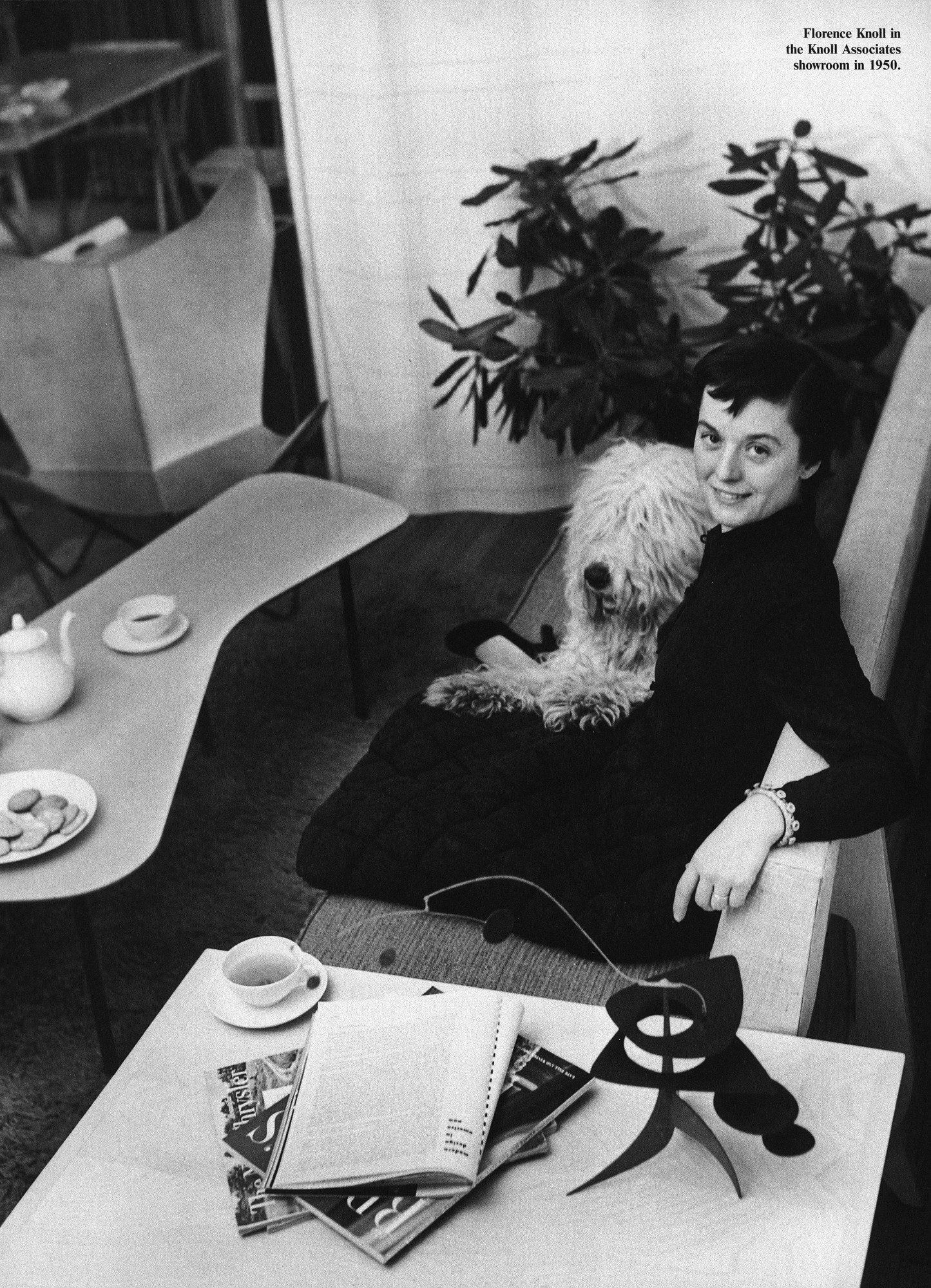 Image: Knoll Archive
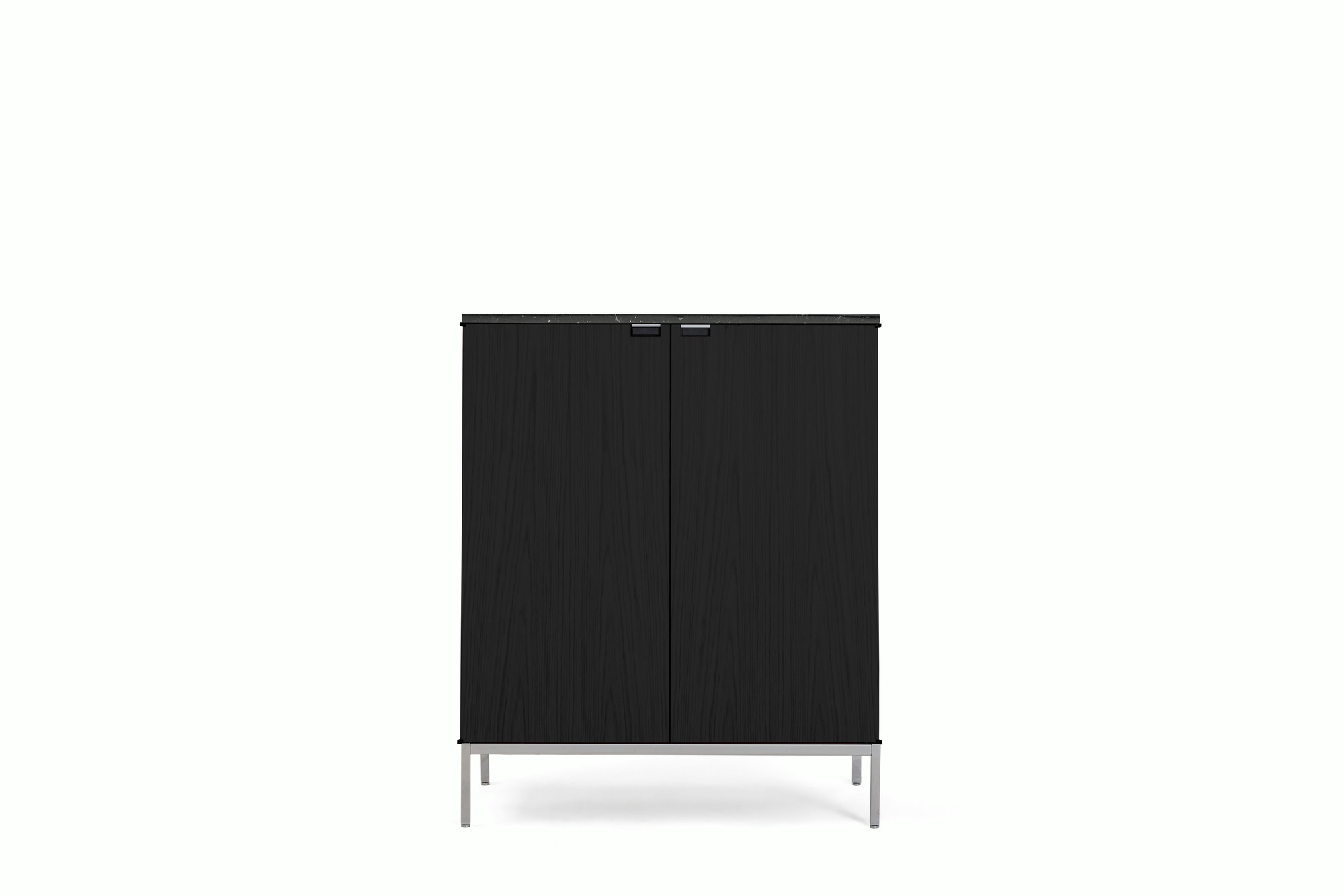 Image: Knoll
The cabinet is only one part of the story. Florence Knoll helped shape an approach to interiors in which furniture, circulation and the organisation of work belonged to the same design problem. Her Credenza collection, introduced in 1961, brings that architectural thinking down to storage: disciplined lines and carefully chosen surfaces give a practical object a calm presence. The current High version, shown in ebony with Nero Marquina marble, gives that storage idea a striking vertical presence. The working portrait beside it connects an apparently simple cabinet with the larger act of planning how people would inhabit a room.
Gae Aulenti | Ruspa
 Image: Martinelli Luce
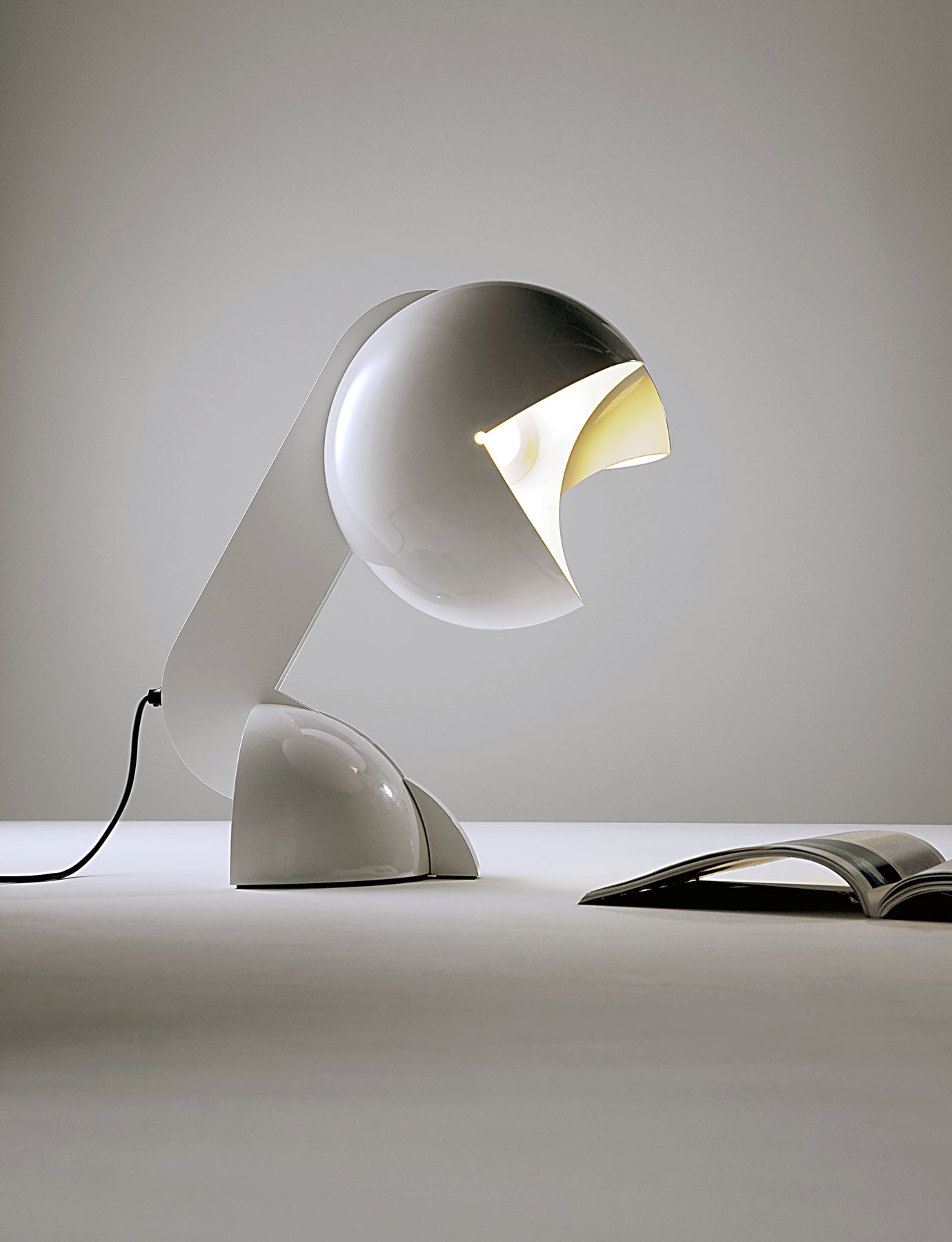 Image: Martinelli Luce
Ruspa looks like a small machine that has learned to make light. Gae Aulenti’s design contrasts a firm base with an articulated arm and reflector, turning adjustment into part of the object’s character. The name suggests an excavator, but the lamp is not a miniature vehicle: its joints are there to change the direction and quality of illumination. In this single-lamp version from Martinelli Luce, the whole composition remains easy to read at a glance. It is a compact example of a larger design ambition—an everyday tool can be practical, movable and sculptural at once.
Hella Jongerius | Polder Sofa
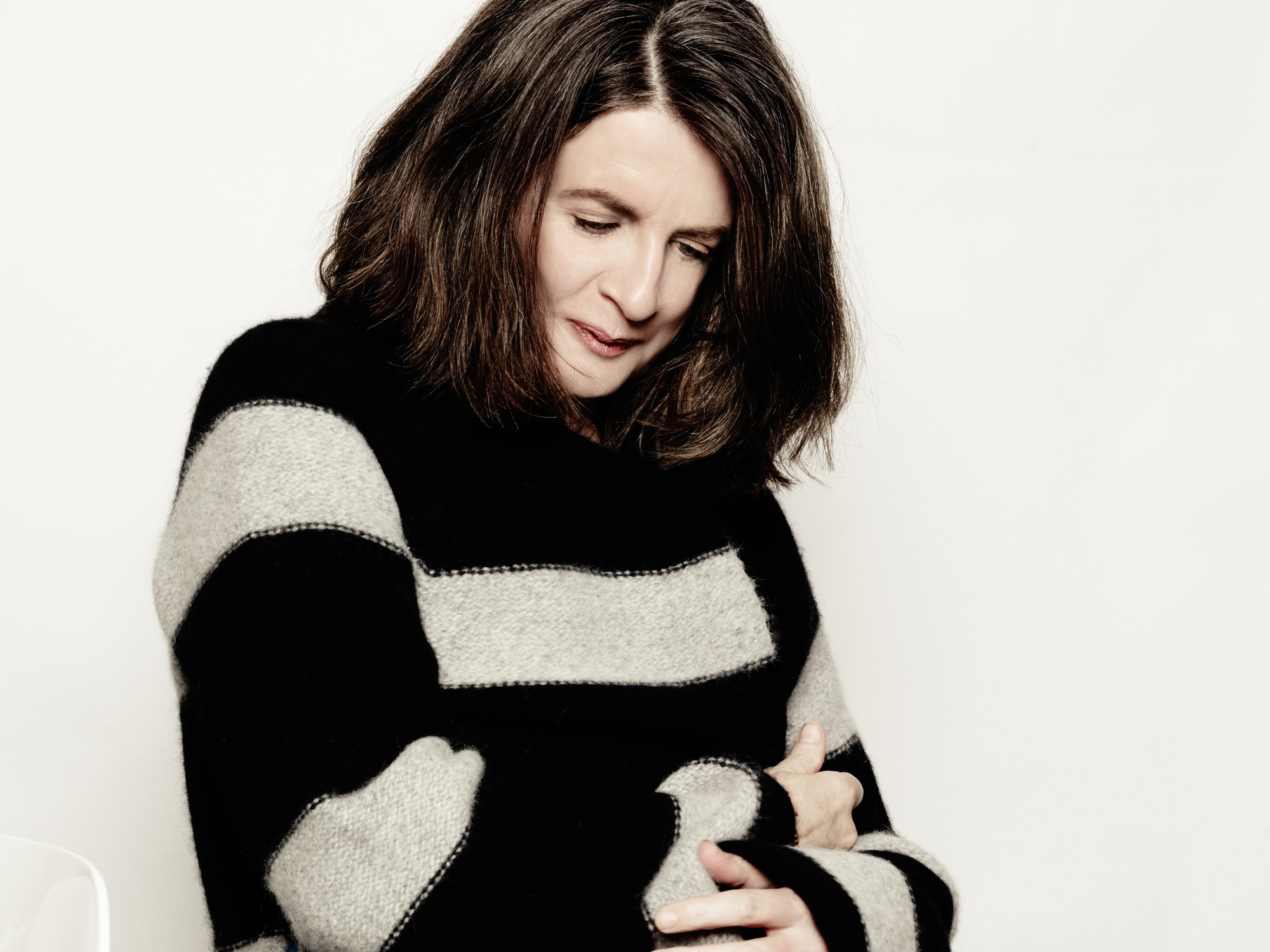 Photo: Markus Jans
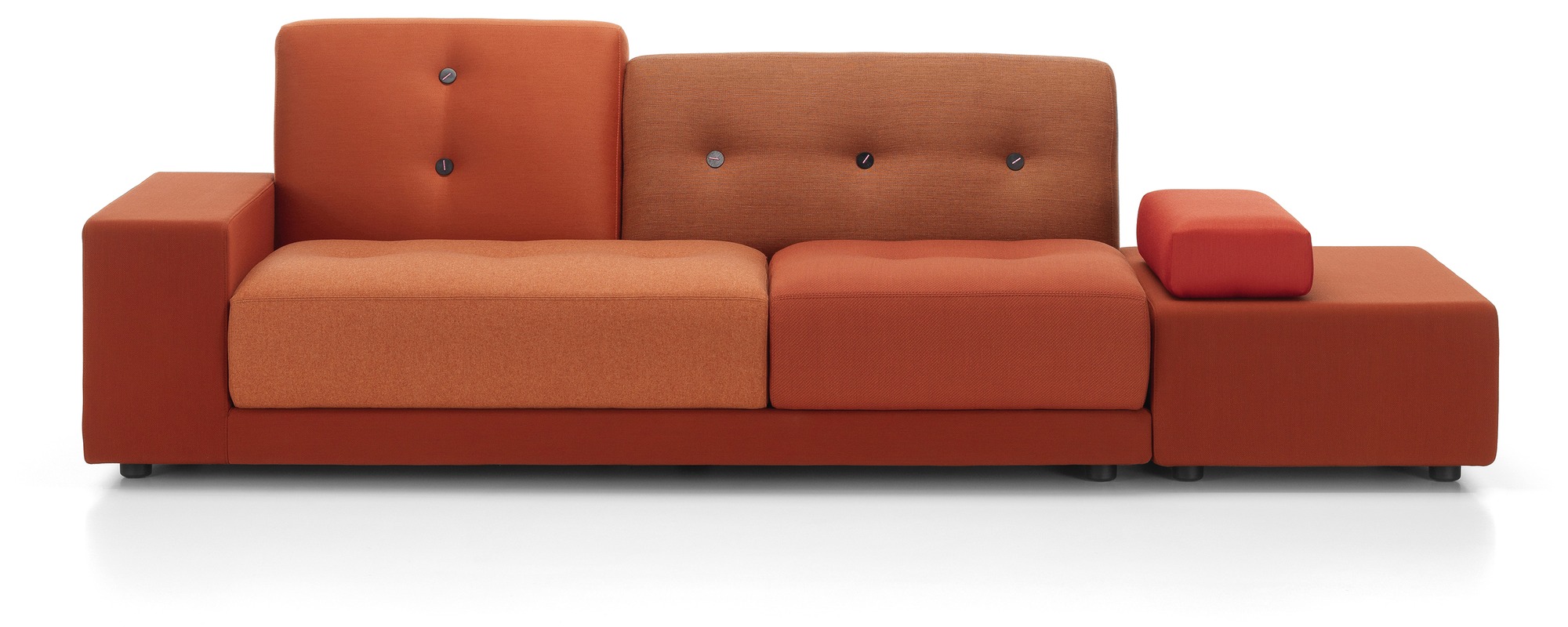 Image: Vitra
The Polder Sofa makes carefully coordinated differences feel more interesting than complete uniformity. Fabric, colour, texture and buttons work together without pretending to be identical. Jongerius first introduced Polder with Vitra in 2005; the family was revisited ten years later as Polder Sofa and Polder Compact. The production sofa shown here carries that continuing experiment into the living room. It offers a useful way to read her work: industrial manufacture need not remove the pleasure of variation. A sofa can be a system of relationships between materials as much as a single upholstered shape.
Patricia Urquiola | Back-Wing chair

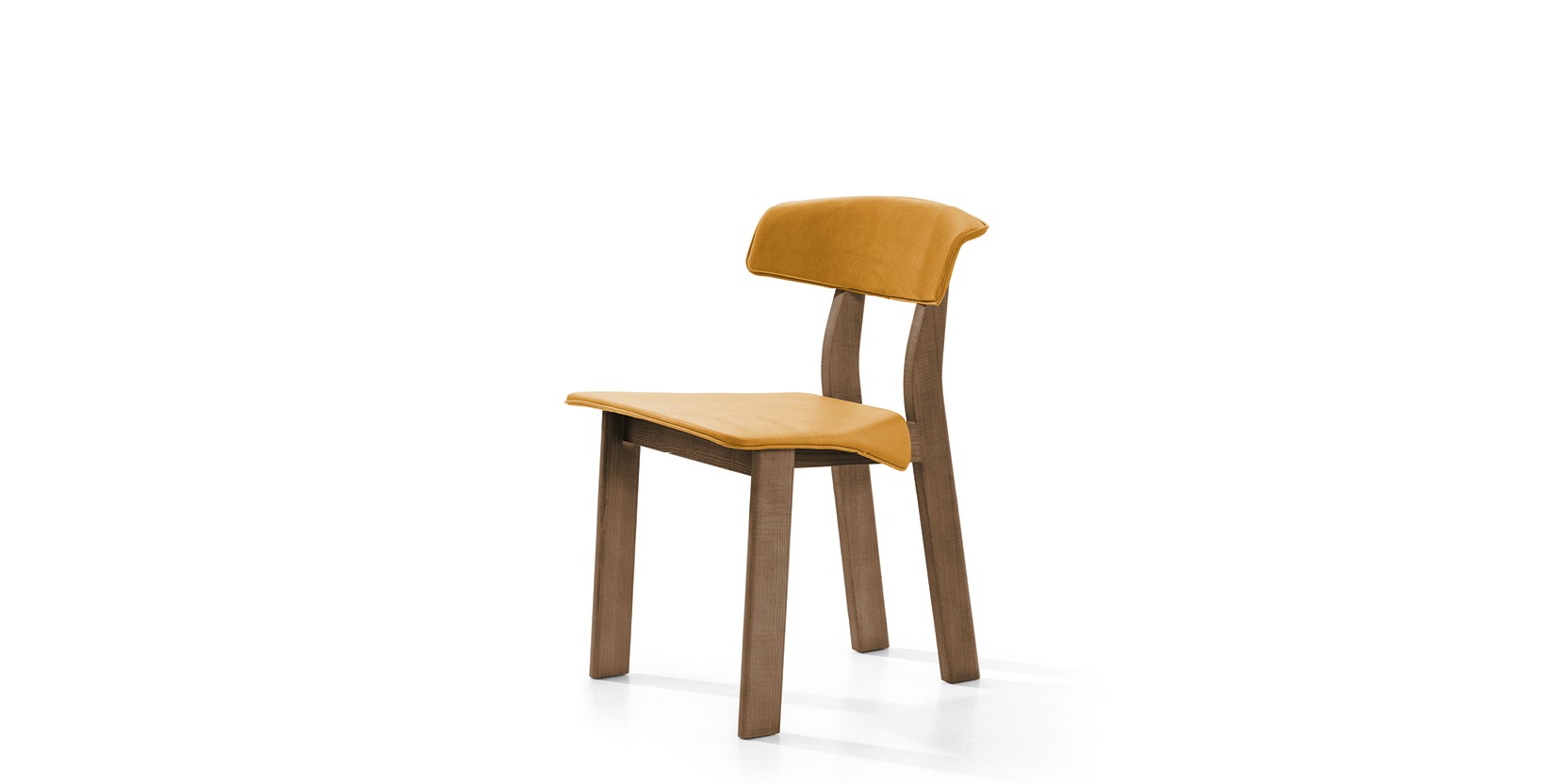
The Back-Wing chair combines a substantial wooden frame with a much thinner, leather-covered seat and back. Its outward-folding edges give the design a recognisable gesture without breaking its relationship to the sitter. Designed in 2018 for Cassina, this version brings that material contrast into a compact dining chair. Urquiola’s contribution extends well beyond this one chair, across products, interiors and material experiments. Here, however, a single object is enough to show her interest in bringing craft, comfort and a strong silhouette into conversation rather than treating any one of them as an afterthought.
Anna Castelli Ferrieri | Hannah cutlery
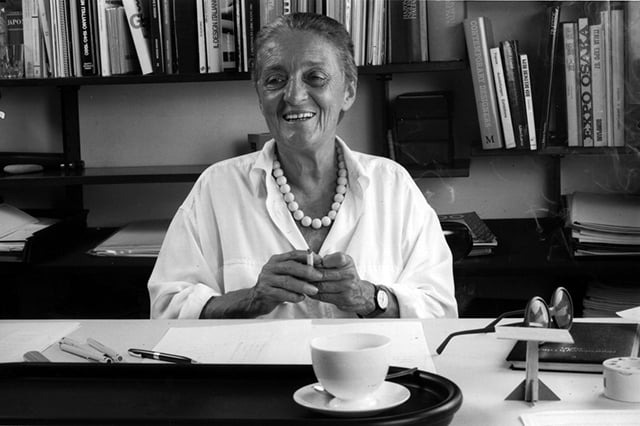
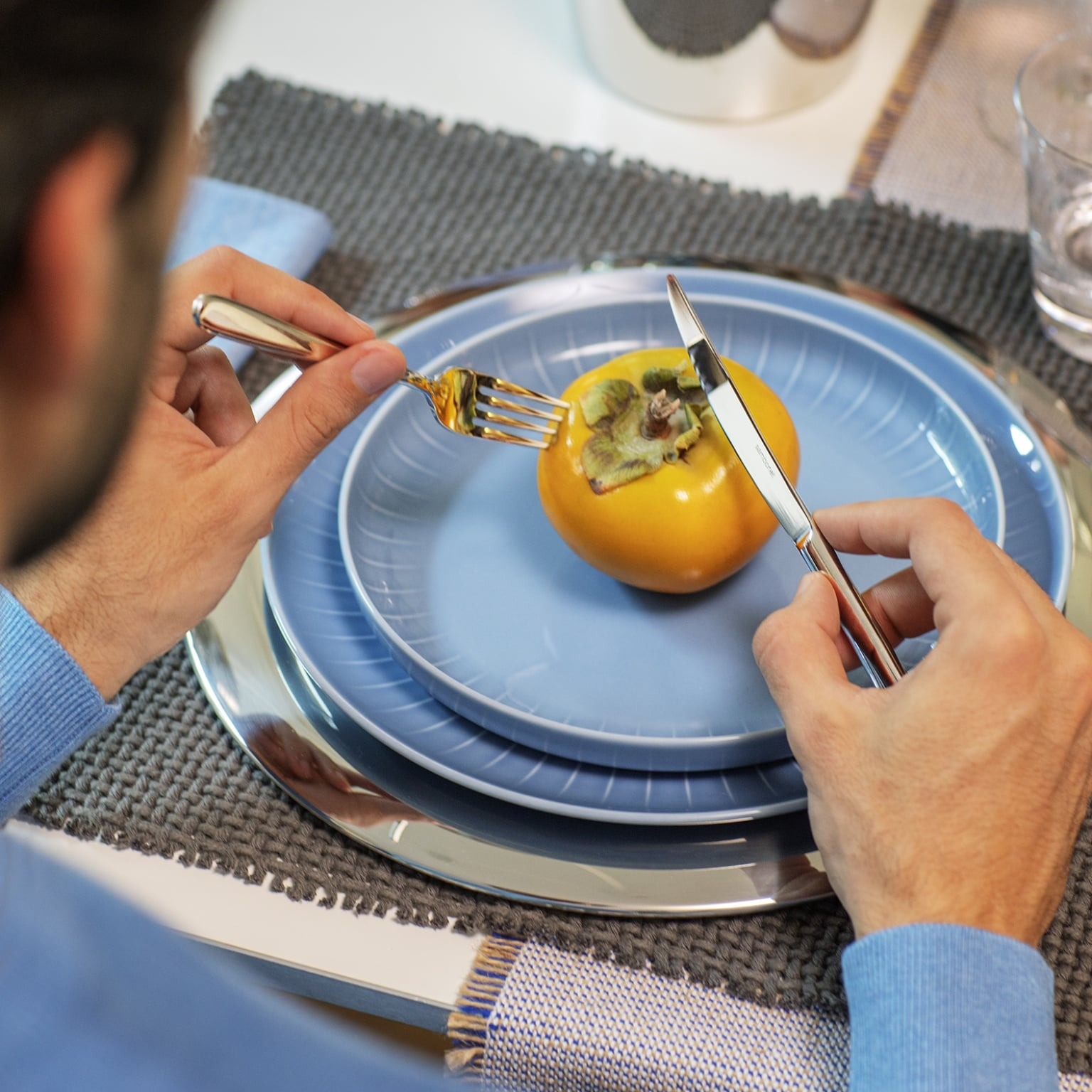
Anna Castelli Ferrieri is closely associated with the possibilities of plastic and with Kartell, but Hannah brings her thinking to the small objects held at the table. The Sambonet cutlery collection received a Compasso d’Oro in 1994. Its form has to work through touch as well as appearance: a handle belongs to the hand before it becomes part of a place setting. At this dessert table, Hannah becomes part of a real gesture rather than an object set apart for display. That everyday context is the point. Design can change the character of a meal through objects that are picked up almost without thinking.
Ray Eames | LCW (with Charles Eames)
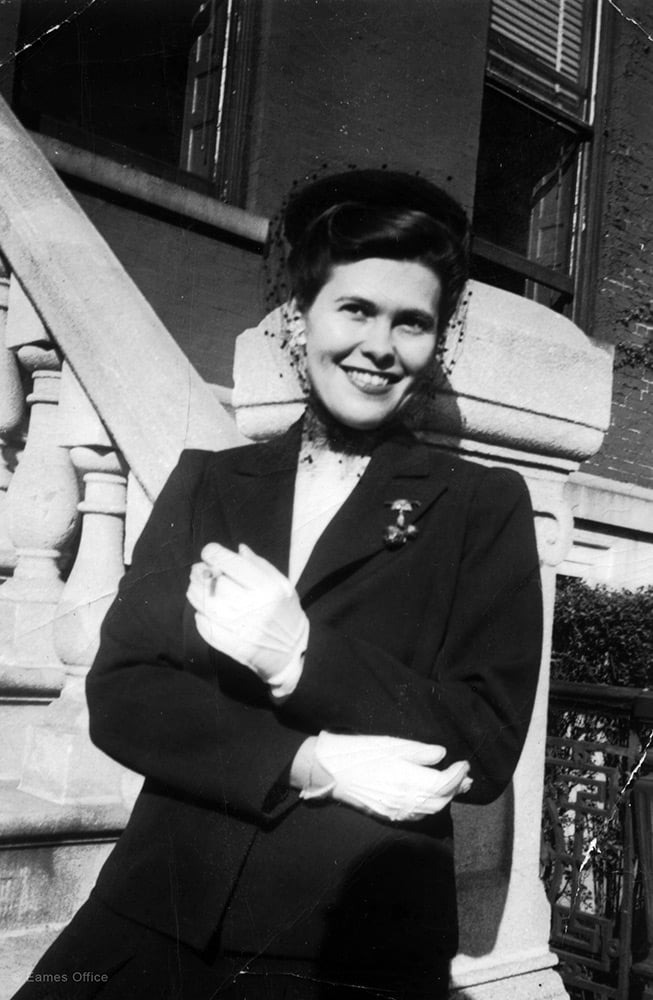 Image: Eames Office
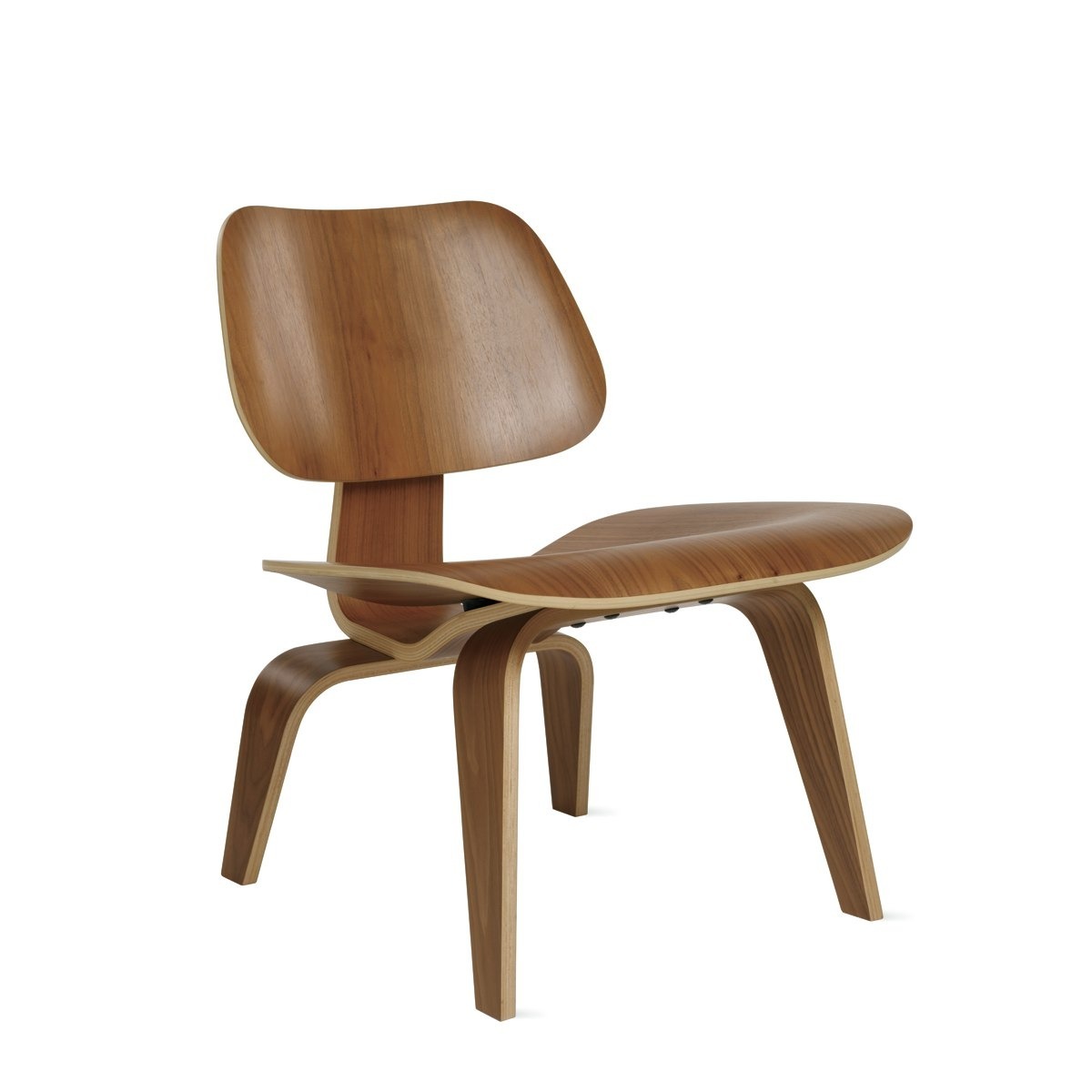 Image: Herman Miller
LCW, the chair on the right, was designed by Charles and Ray Eames together. Ray’s background in painting formed part of a shared practice that moved through furniture, graphics, exhibitions and film. Their moulded-plywood work in the mid-1940s explored how a hard material could take on shapes that accommodate the body. The current Herman Miller chair shown here separates the seat and back into distinct curved panels. Ray’s solo portrait keeps her contribution visible alongside the jointly designed chair, connecting a familiar object with a creative voice too often left outside the frame.